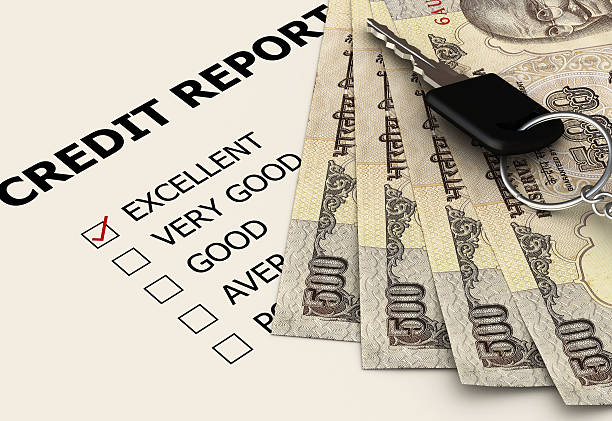
Your credit utilization ratio is one of the most influential factors in your credit score, second only to your payment history. In simple terms, it is the percentage of your available revolving credit—primarily credit cards—that you are currently using. A lower ratio is better for your credit score, with financial experts generally recommending keeping it below 30%. One strategic method to positively influence this critical metric is to responsibly open a new credit account, which can help by increasing your total available credit and thereby lowering your overall utilization percentage.
To understand the mechanism, consider a common scenario: you have one credit card with a $5,000 limit, and you consistently carry a balance of $2,000. Your credit utilization ratio is 40%, which may be viewed as high by scoring models. Now, imagine you are approved for a new credit card with a $5,000 limit and you do not increase your spending. Your total available credit jumps to $10,000, while your balance remains $2,000. Instantly, your overall utilization ratio drops to a much healthier 20%. This mathematical shift can lead to a noticeable improvement in your credit score, as you are demonstrating to lenders that you are not overly reliant on the credit extended to you. The action does not erase your debt, but it changes the proportion, which is what the scoring models assess.
Beyond the immediate mathematical benefit, a new account can also contribute to a more robust credit profile over time. Credit scoring models favor a mix of different types of credit, known as your credit mix. While this is a smaller factor than utilization, adding a new type of revolving account can contribute positively if you previously only had installment loans, such as a car payment or student loan. Furthermore, as you manage the new account responsibly—making payments on time and keeping balances low—you add positive payment history to your report, which strengthens your score’s foundation. It is crucial, however, to view the new credit line as a tool for management, not an invitation for additional spending. The strategy collapses if you immediately use the new available credit, as you would simply be increasing your balances in tandem with your limits, nullifying any utilization benefit and potentially harming your financial health.
This approach is not without its caveats and requires disciplined financial behavior. When you apply for new credit, the lender will perform a hard inquiry on your credit report, which can cause a small, temporary dip in your score. For most individuals, the positive impact of a lower utilization ratio will outweigh the inquiry’s effect within a few months, provided other behaviors remain sound. The greater risk is behavioral: the immediate access to more credit can tempt some into spending beyond their means. The goal is to keep your spending habits consistent while the available credit ceiling rises. Additionally, it is important to consider that opening several new accounts in a short period can be seen as risky behavior by lenders and may lower the average age of your accounts, another factor in your score.
In conclusion, a new credit account can serve as a powerful lever to improve your credit utilization ratio, a cornerstone of your credit score, by increasing your total available credit. This strategic move, when executed with foresight and restraint, can create a more favorable mathematical ratio on your credit report, signaling to both automated scoring models and potential lenders that you are a low-risk borrower. The key to success lies in unwavering financial discipline—using the new account sparingly, paying balances in full each month when possible, and never allowing the increased availability of credit to distort your budget. When treated as a component of a broader strategy for responsible credit management, rather than a quick fix, this method can effectively help build a stronger financial profile over the long term.