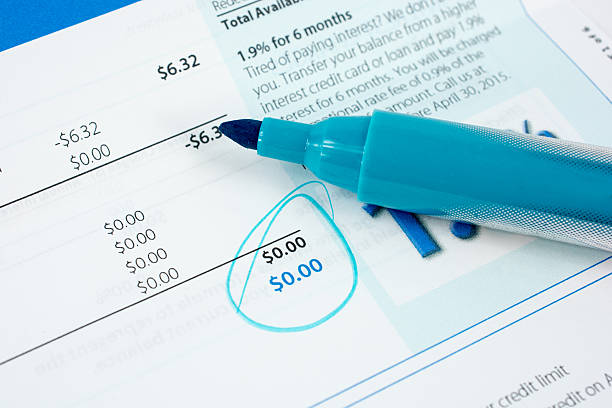
The relationship between credit card usage and credit scores is often shrouded in confusion, leading many to wonder about the best strategy for managing their balances. A central question for conscientious cardholders is this: will paying off my card balance in full each month help my credit utilization ratio? The answer is a resounding yes, and understanding the mechanics behind this practice is key to building and maintaining a strong credit profile. Paying your statement balance in full by the due date is arguably the most powerful habit you can adopt for both your financial health and your credit score.
To appreciate why this is so effective, one must first understand the critical role of the credit utilization ratio. This ratio, which significantly influences your FICO and VantageScore, measures the amount of revolving credit you are using compared to your total available limits. It is typically expressed as a percentage, and a lower percentage is better. Credit scoring models view high utilization—generally above 30%—as a potential sign of financial stress, even if you are making minimum payments. Your utilization is calculated based on the balances reported by your creditors to the credit bureaus, which usually happens once per billing cycle, often on your statement closing date.
This is where the practice of paying in full each month delivers its dual benefit. First, and most fundamentally, it allows you to avoid all interest charges on purchases, which is a direct financial win. Second, and crucially for your credit score, it directly controls the balance that gets reported to the credit bureaus. When you pay your statement balance in full by the due date, the issuer still reports whatever balance was on your account on the statement closing date. If you consistently charge a moderate amount and then pay it off, the bureaus will see a low reported balance relative to your limit, resulting in a low utilization ratio. For example, if you have a $10,000 limit and your statement closes with a $1,000 balance that you subsequently pay in full, your reported utilization is a healthy 10%.
It is important to distinguish this from a common misconception: that carrying a small balance from month to month is beneficial for your score. This is false. You do not need to pay interest to build good credit. The positive payment history of paying at least the minimum by the due date is already recorded, and that is what matters. Carrying a balance does not enhance this history; it only incurs interest and can keep your utilization artificially high, potentially harming your score. The goal is to have a low balance reported, not to maintain a revolving debt.
Furthermore, the habit of paying in full provides a consistent buffer against high utilization, which is especially valuable because utilization has no memory in most scoring models. Unlike a late payment, which can linger on your report for years, a high utilization percentage only impacts your score for the month it is reported. By paying in full each cycle, you ensure that your score is consistently benefiting from low utilization, making your credit profile more resilient and attractive to lenders when you need it most for a major loan, like a mortgage or auto financing.
In conclusion, paying your credit card balance in full each month is a cornerstone of savvy credit management. It directly and positively aids your credit utilization ratio by ensuring the balances reported to the bureaus are as low as possible, provided your spending is reasonable relative to your limits. This practice, combined with the undeniable benefit of avoiding costly interest fees, creates a virtuous cycle of financial control. It demonstrates to lenders that you are a responsible borrower who uses credit as a convenient tool rather than a crutch, ultimately paving the way for a higher credit score and the financial opportunities that come with it.