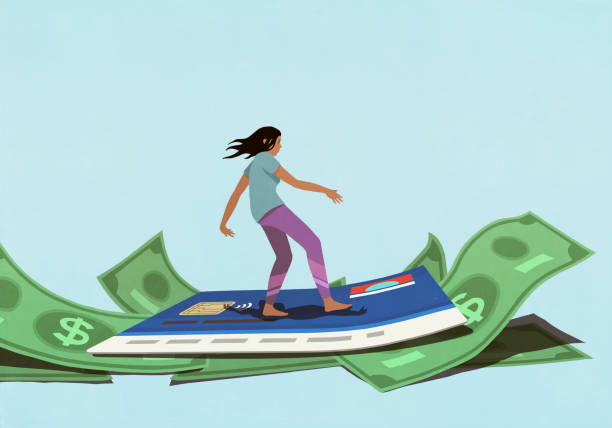
Your twenties are a unique time. You are likely finishing school, starting your first real job, moving into your own apartment, and maybe even buying a car. Amid all these changes, one thing often gets overlooked: your credit score. Many young adults assume that credit only matters when you are older and ready to buy a house. But the truth is that the decisions you make in your twenties will shape your financial options for the next decade. A strong credit score can save you thousands of dollars on interest, make it easier to rent an apartment, and even help you land a job. Building that score does not have to be complicated, but it does require a little planning and discipline.
The first step is to establish credit history. You cannot have a credit score without some form of credit activity. The simplest way to start is with a credit card. If you have no credit history at all, you may need to apply for a secured credit card. A secured card requires a cash deposit that becomes your credit limit, usually a few hundred dollars. It is not a loan; it is a tool that reports your payment activity to the credit bureaus. After six to twelve months of on-time payments, you will likely qualify for an unsecured card. If you already have a student loan or an auto loan, that also counts as credit. But for most people in their twenties, the credit card is the easiest entry point.
Once you have a card, the golden rule is to pay your balance in full every single month. Carrying a balance and paying interest does not help your credit score. The credit scoring models only care about whether you pay on time and how much of your available credit you are using. Paying the full statement balance by the due date builds a perfect payment history while avoiding unnecessary interest charges. If you cannot afford to pay the full balance, pay at least the minimum, but make it a priority to get back to full payment as soon as possible. Even one late payment can drop your score significantly and stay on your report for seven years.
Another key factor is credit utilization. This is the percentage of your total available credit that you are using at any given time. For example, if you have a credit line of one thousand dollars and you have a balance of three hundred dollars, your utilization is thirty percent. Experts recommend keeping utilization below thirty percent, and lower is even better. Paying down your balance before the statement closing date can help keep utilization low. A common mistake is to max out a card, even if you pay it off later. High utilization, even for a short time, can temporarily lower your score.
You should also avoid opening too many accounts at once. Each time you apply for a credit card or a loan, the lender performs a hard inquiry on your credit report. Too many hard inquiries in a short period can make you look risky to lenders. In your twenties, it is fine to have two or three credit cards, but do not apply for a new card every month. Space out applications by at least six months. Also, do not close old credit cards unless there is a strong reason, like a high annual fee. Closing an old card reduces your total available credit, which can increase your utilization ratio and hurt your score. The length of your credit history matters too, so keeping your oldest accounts open helps.
Monitoring your credit report is equally important. You are entitled to a free credit report from each of the three major bureaus (Equifax, Experian, and TransUnion) once every twelve months through AnnualCreditReport.com. Review your reports for errors, such as accounts that do not belong to you or incorrect payment statuses. Identity theft is a real risk, especially for young people who may not check their reports regularly. If you see something wrong, dispute it with the bureau. Also consider signing up for a free credit monitoring service through your bank or a reputable app. These services can alert you to changes in your score or new accounts opened in your name.
Finally, be patient. A credit score is not built overnight. It takes time to develop a history of responsible behavior. In your twenties, you are laying the foundation. If you make a mistake, like missing a payment, do not panic. Just get back on track. The impact of one negative event fades over time as you add more positive payment history. Focus on the habits: pay on time, keep balances low, only borrow what you need, and check your credit at least once a year. These simple steps will put you in a strong position when you want to buy a home, start a business, or simply get a better interest rate on a car loan. Your twenties are the perfect decade to build good credit habits that will serve you for the rest of your life.