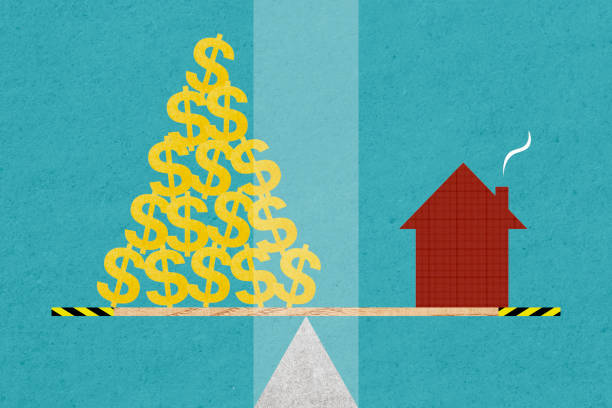
The journey to homeownership is a significant financial undertaking, and the debt you carry is one of the most critical factors lenders scrutinize. Your existing debt doesn’t merely influence whether you qualify for a mortgage; it profoundly affects the loan amount you can secure, the interest rate you will pay, and the overall long-term cost of your home. Understanding this relationship is essential for any prospective buyer, as it highlights the importance of financial preparation long before you ever approach a lender.
At the heart of mortgage underwriting are two key metrics derived from your debt: your credit score and your debt-to-income ratio. Your credit score, a numerical representation of your creditworthiness, is heavily influenced by how you manage debt. High credit card balances, missed payments, or accounts in collections can significantly lower your score. A lower score signals higher risk to lenders, which often translates to a higher interest rate on your mortgage. Over a 30-year loan, even a fraction of a percentage point increase can amount to tens of thousands of dollars in additional interest. Conversely, a history of consistent, on-time debt payments builds a high score, unlocking access to the most favorable rates and saving you substantial money.
While your credit score affects the cost of borrowing, your debt-to-income ratio, or DTI, directly impacts your borrowing capacity. Lenders calculate two DTIs. The front-end ratio considers your prospective housing costs—mortgage payment, property taxes, and insurance—against your gross monthly income. More decisively, the back-end ratio compares your total monthly debt obligations, including housing, auto loans, student loans, credit card minimums, and other recurring debts, to your income. Most conventional loans require a back-end DTI below 43%, with more competitive terms often reserved for ratios below 36%. High existing debt payments consume a large portion of your income, leaving less room for a mortgage payment in the eyes of the lender. This can result in pre-approval for a smaller loan amount than you anticipated, potentially limiting your home search to a lower price bracket.
The type of debt you hold also matters. Installment debt, such as student or auto loans with fixed monthly payments, is viewed somewhat differently than revolving debt like credit cards. High credit card utilization—the percentage of your available credit you are using—is particularly damaging, as it suggests a reliance on flexible borrowing and can sharply reduce your credit score. Lenders may also look at the number of accounts with outstanding balances. Furthermore, certain debts, like co-signed loans or unresolved collections, can create additional hurdles that must be cleared before approval can proceed.
Ultimately, the presence of debt is not an automatic barrier to homeownership; lenders are, after all, in the business of issuing debt. The central issue is manageability. Excessive or poorly managed debt paints a picture of financial strain, leading lenders to doubt your ability to handle an additional, substantial payment, especially during economic uncertainty. This perceived risk manifests in stricter loan conditions. Therefore, the path to a stronger mortgage application is clear: actively work to reduce existing balances, particularly on credit cards, ensure all payments are made punctually, and avoid taking on new debt in the months leading up to your application. By conscientiously managing your debt profile, you do more than just improve your chances of approval—you secure your financial footing for the major commitment of a mortgage and the ongoing responsibility of homeownership. This preparation ensures that when you find your ideal home, your debt works for you as a testament to your reliability, not against you as a limiting constraint.