Most people think of a personal budget as just a way to track groceries and rent. But your budget does more than keep your checking account from going negative. It is actually one of the most powerful tools you have for building and protecting your credit score. When you manage your income and expenses with intention, you are also managing the behaviors that credit bureaus watch most closely.
The connection between a budget and your credit score starts with the simple reality that every dollar you spend either helps or hurts your ability to pay bills on time. Your payment history makes up the largest portion of your credit score. If you budget carefully, you always know exactly how much money is available for credit card payments, loan installments, and other obligations before you spend on anything else. When your budget is a mess, you might plan to pay your credit card bill on the fifteenth, but then an unexpected car repair or a dinner out eats up that cash. Missing even one payment can drop your score significantly, and it takes months of on-time payments to recover.
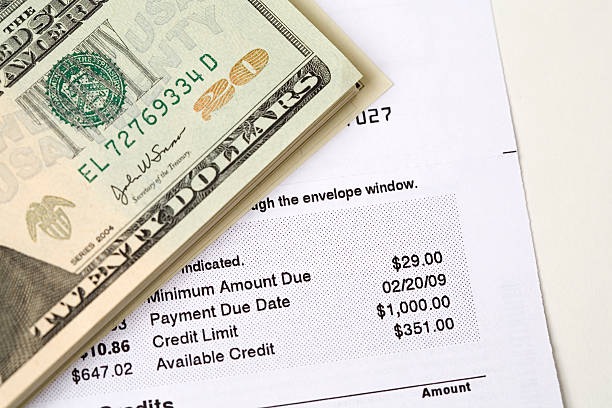
Your budget also controls something called credit utilization. That is the fancy term for how much of your available credit you are actually using. If you have a credit card with a ten thousand dollar limit and you carry a balance of seven thousand dollars, your utilization is seventy percent. Credit scoring models like to see utilization below thirty percent, and ideally below ten percent. A personal budget helps you keep spending in check so you do not charge more than you can pay off. When you plan your monthly spending on things like groceries, gas, and entertainment, you can set a firm limit for how much goes on your credit card. That prevents you from accidentally maxing out your cards and hurting your score.
Beyond utilization, a budget helps you avoid the kind of debt that leads to long term credit problems. When your spending is unplanned, small charges add up fast. A few takeout meals here, a streaming subscription you forgot to cancel there, and suddenly your credit card balance is higher than you expected. That forces you to carry a balance month to month, which means you pay interest and your debt climbs. Over time, high debt levels make it harder to keep up with payments. Your credit score drops as your balances rise and your payment history gets shakier. A budget stops that cycle before it starts by putting every expense in its place.
Another way a budget protects your credit is by making room for an emergency fund. Life throws surprises at everyone. If your car breaks down or you lose a few weeks of income, the last thing you want is to rely on credit cards or payday loans to cover basic needs. Those quick fixes often come with high interest rates and can push you into a debt spiral. A budget that includes a small monthly contribution to savings builds a cushion. When an emergency hits, you use cash instead of credit. Your credit cards stay paid down, your payments stay on time, and your score stays stable.
Budgets also help you avoid the trap of minimum payments. When you only pay the minimum on a credit card, you are essentially telling the credit card company that you cannot afford to reduce your debt. The balance stays high, utilization stays high, and the interest keeps piling on. A budget that assigns a specific amount to debt repayment each month, even if it is just fifty dollars above the minimum, will chip away at the principal. Over time, your balance drops, your utilization improves, and your credit score goes up.
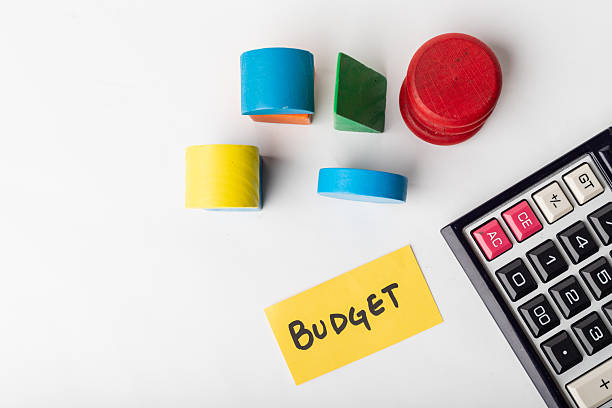
The best part is that you do not need a complicated spreadsheet or a budgeting app to get these benefits. A simple list of your monthly income and fixed expenses gives you a clear picture of what is left for discretionary spending. From there, you decide how much you want to put toward credit card payments, savings, and fun money. The key is to check your budget every week or two so you can catch overspending before it turns into a credit problem.
If you already have credit card debt, a budget is your exit strategy. List every single debt with its interest rate and minimum payment. Then decide how much extra you can throw at the highest rate card each month while paying the minimums on everything else. That targeted approach, made possible by a realistic budget, reduces your total debt faster than random payments. As each card gets paid off, your utilization drops and your score rises.
Remember that your credit score is not a mystery. It reflects your real world habits. When you budget, you are building the habit of living within your means, paying on time, and keeping debt under control. Those habits are exactly what credit scoring models reward. So instead of thinking about your budget as a chore, see it as the control panel for your financial health. Every line item you track is a decision that either strengthens or weakens your credit. Make those decisions count.