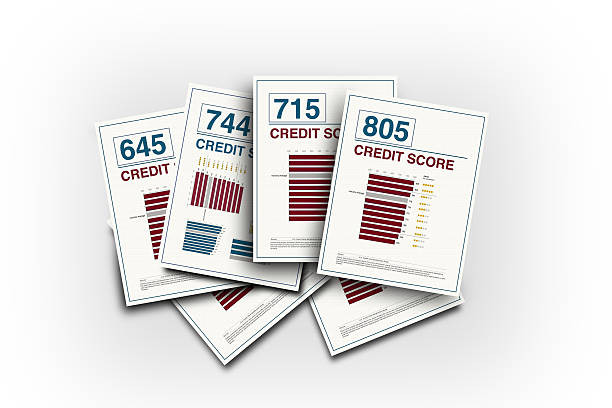
If you are carrying credit card balances, personal loans, or other high-interest debt, you already know how quickly those monthly payments can eat into your paycheck. What you may not know is that the order in which you pay off your debts can make a huge difference in how much money you lose to interest over time. The debt avalanche method is one of the most efficient strategies for getting out of debt without throwing extra cash at the problem. It works by focusing every extra dollar you can spare on the debt with the highest interest rate first, while making minimum payments on everything else. Once that first debt is gone, you roll the full payment amount—what you were paying on that debt plus the minimum—onto the next highest interest rate debt. This creates a snowball effect of larger and larger payments, but the momentum comes from math, not emotion.
The reason the debt avalanche method saves you money is simple: interest is the enemy. When you have a credit card charging twenty-two percent annual interest, that balance grows faster than a car loan at six percent. By attacking the highest rate first, you stop the most costly debt from growing any further. Every extra dollar you put toward that high-rate card reduces the amount that gets compounded next month. Over the course of a year, that one decision can save you hundreds of dollars compared to a method that pays off smaller balances first, like the debt snowball. The debt avalanche is not about the quick win of eliminating a small account. It is about the long-term win of paying less total interest and getting out of debt sooner.
To use the debt avalanche method, you need a clear picture of all your debts. List every account you owe money on, including credit cards, store cards, personal loans, student loans, and even medical bills if they are being paid in installments. For each one, write down the total balance, the minimum monthly payment, and the annual percentage rate. Then sort the list from the highest interest rate to the lowest. That top item is your target. Pay only the minimum on every other debt each month. Then take any extra money you have—whether it is from a raise, a side gig, a tax refund, or simply cutting back on dining out—and put it toward that top debt. Do not let yourself get distracted by the small balance on the store card at the bottom of the list. That store card may only have a two hundred dollar balance, but its interest rate is probably lower than your main credit card. Paying it off early feels good, but it does not help your finances as much as knocking down that high-rate card.
One common concern about the debt avalanche method is that it can feel slow at first. If your highest interest debt also happens to be your largest balance, it might take months before you see a single account disappear. That can be discouraging. To stay motivated, track your progress visually. Create a simple spreadsheet that shows the balance dropping each month, or use a free online tool that lets you see your total interest saved. Celebrate small milestones, like paying off the first twenty percent of that big debt. Remind yourself that every dollar you send to that high-rate account is earning you an effective return equal to the interest rate you are avoiding. Paying down a twenty-two percent credit card is like getting a twenty-two percent guaranteed return on your money, which is better than any savings account or stock market average.
Another key to making the avalanche work is to avoid adding new debt while you are paying off old debt. If you keep using credit cards for everyday spending, you are essentially running on a treadmill. Ideally, switch to a debit card or cash while you are in payoff mode. If you must use a credit card for a specific reason, pay the full statement balance each month so you do not create a new high-interest balance. The debt avalanche requires discipline, but it does not require you to live like a monk. You can still enjoy life—just be intentional about where your extra money goes.
For middle-class consumers, the debt avalanche method is particularly powerful because many middle-class debts are at high interest rates. Credit cards, personal loans, and even some auto loans often carry rates that can drain a family’s disposable income. By using the avalanche, you free up more of your monthly cash flow sooner than you would with other strategies. Once the first high-rate debt is gone, you have a larger payment to throw at the next one, and the process accelerates.
If you are married or have a partner, make sure you both agree on the plan. The debt avalanche works best when everyone is on board. Sit down together, look at the interest rates, and agree that the highest rate debt is the priority. Then commit to sending any windfalls—like bonuses or gifts—directly to that debt. Over time, you will see the total amount you owe shrink faster than you expected, and the interest you save will stay in your pocket.
The debt avalanche method is not the most emotionally satisfying approach. It does not give you a quick victory like paying off a small balance. But if your goal is to minimize the total amount you pay and get out of debt as efficiently as possible, it is the best tool available. By letting math guide your decisions instead of feelings, you can take control of your credit and start building real financial security.