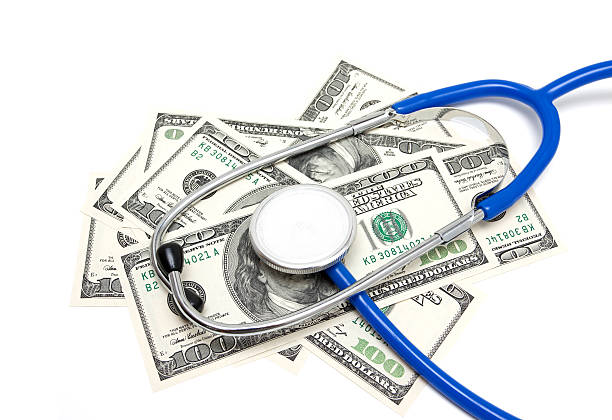
The burden of medical debt is a pervasive and crushing reality for millions of low-income Americans, often arising from even a single emergency or necessary procedure. The fear of collections, damaged credit, and financial ruin can compound the stress of illness, creating a cycle that feels inescapable. However, while the challenge is immense, individuals facing this situation are not without avenues for relief. A constellation of resources, from hospital-based programs to non-profit assistance and legal protections, exists to help low-income individuals manage and potentially eliminate overwhelming medical bills.
The first and most critical step often begins at the source of the debt: the healthcare provider or hospital. Most non-profit hospitals are legally required to offer financial assistance programs, sometimes known as charity care. These programs are not widely advertised, but they can substantially reduce or completely forgive bills for eligible patients. Eligibility is typically based on a percentage of the Federal Poverty Level, often ranging from 200% to 400%. The application process requires documentation of income and assets, and it is imperative to apply before a bill goes to collections. Furthermore, simply speaking with the hospital’s billing department can yield options like setting up an extended, interest-free payment plan, which makes large debts more manageable through small, monthly installments.
Beyond the hospital walls, government programs provide foundational support. For those who qualify, Medicaid remains the primary resource for covering healthcare costs for low-income individuals, including children, pregnant women, the elderly, and people with disabilities. Expanding eligibility in many states has made this a crucial safety net. Additionally, the Affordable Care Act’s marketplace plans, available through Healthcare.gov, offer subsidies that dramatically lower premium costs for those with modest incomes, providing a preventative measure against future catastrophic debt. For seniors, Medicare offers various programs to help with premiums, deductibles, and prescription drug costs, alleviating the burden on fixed incomes.
A network of non-profit and charitable organizations also serves as a vital lifeline. Patient advocacy groups, such as the Patient Advocate Foundation and Dollar For, offer free case management and assistance in applying for hospital charity care or negotiating bills. Disease-specific organizations, like the American Cancer Society or the Leukemia & Lymphoma Society, often provide limited financial grants to patients struggling with costs related to specific illnesses. At the community level, local United Way chapters, religious organizations, and community action agencies may operate emergency assistance funds to help cover a medical bill or associated living expenses during a health crisis.
When bills become unmanageable and enter the collections process, understanding one’s rights is paramount. The Fair Debt Collection Practices Act prohibits abusive, unfair, or deceptive practices by collectors, offering legal recourse for harassment. It is always advisable to request debt validation in writing, ensuring the amount is accurate. In some cases, consulting with a legal aid attorney can be invaluable. Many communities have free legal aid societies that assist low-income clients with medical debt issues, including defending against lawsuits, negotiating settlements for a fraction of the owed amount, or exploring bankruptcy as a last resort. While bankruptcy carries significant long-term consequences, Chapter 7 can discharge certain medical debts, offering a fresh start for those with no feasible path to repayment.
Ultimately, navigating medical debt requires persistence, knowledge, and a willingness to seek help. The path involves proactively engaging with hospitals, thoroughly exploring eligibility for public programs, leveraging the support of dedicated non-profits, and understanding legal protections. The system is complex and often daunting, but these resources, when pursued diligently, can provide the relief necessary to move from financial distress toward stability and recovery. No individual should have to choose between their health and their financial survival, and while systemic change is needed, these existing tools offer a crucial measure of hope and practical aid.