Navigating financial distress is a daunting experience, and when debts become unmanageable, strategies like debt settlement or negotiation can appear as viable lifelines. These processes involve offering a creditor a lump-sum payment that is less than the full amount owed to satisfy the debt. The critical question for anyone considering this path is whether to incorporate these potential payments into their formal budget. The unequivocal answer is yes; not only should you include them, but constructing a detailed and realistic budget is the foundational step that determines the feasibility and success of any debt resolution strategy. A budget transforms a vague hope into a structured plan, serving as both a roadmap and a reality check.
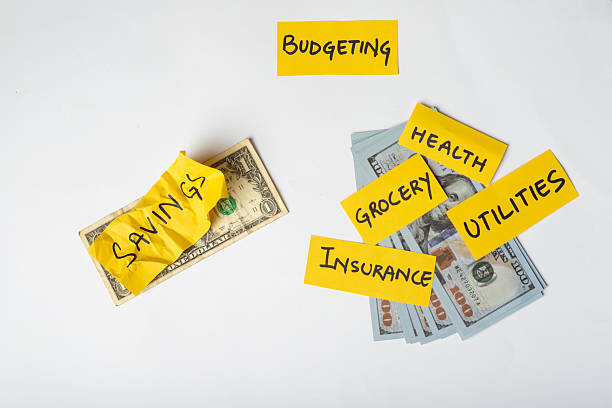
Including debt settlements in your budget begins with a clear-eyed assessment of your complete financial picture. Before a single creditor is contacted, you must know with precision what you earn, what you spend on necessities, and what discretionary funds can be redirected. This budgeting exercise forces you to calculate a realistic monthly savings target dedicated solely to accumulating settlement funds. Without this figure, any negotiation is built on sand; you might secure a settlement agreement only to find you cannot actually amass the promised sum before the deadline, defaulting on the agreement and potentially worsening your situation. Therefore, the budget item for “settlement fund savings” is non-negotiable and must be treated with the same priority as rent or utilities. It shifts the process from a reactive scramble to a proactive, disciplined savings goal.
Furthermore, a comprehensive budget must account for the less obvious but significant costs associated with debt settlement. The forgiven portion of a settled debt is often considered taxable income by the Internal Revenue Service, potentially creating a substantial tax liability in the year of settlement. A prudent budget will anticipate this by setting aside a portion of the savings for this future tax bill. Additionally, if you enlist a professional debt settlement company, their fees—typically a percentage of the debt or the amount saved—must be factored into your total cost calculation. Ignoring these ancillary expenses can lead to financial shock later, undermining the fresh start you sought. Your budget, therefore, acts as a holistic planning tool, ensuring you see the full financial picture, not just the negotiated debt amount.
The act of budgeting also provides crucial psychological and strategic benefits. Financially, it empowers you during negotiations. When you know exactly what you can afford to offer and by when, you negotiate from a position of informed strength rather than desperate weakness. This can lead to better outcomes and prevent you from agreeing to terms that are unsustainable for your household. Emotionally, adhering to a strict budget to fund settlements reinforces discipline and provides a tangible sense of control and progress. Watching the dedicated savings grow each month is motivational, affirming that you are actively resolving your problems rather than being passively overwhelmed by them. This psychological shift is invaluable for long-term financial health.
However, it is imperative to acknowledge that budgeting for settlements requires stringent honesty and sacrifice. It often means drastically reducing non-essential spending for an extended period. This lifestyle adjustment is the tangible manifestation of your commitment to becoming debt-free. For some, this disciplined saving period may reveal that a settlement is impractical, steering them toward alternative solutions like credit counseling or bankruptcy, which also require careful budgetary planning. In this light, the budget serves as a diagnostic tool, clarifying what is truly possible.
In conclusion, incorporating debt settlements or negotiations into your budget is not merely advisable; it is essential. A detailed budget provides the framework to save systematically, anticipates hidden costs, strengthens your negotiating position, and fosters the financial discipline required to see the process through. It transforms debt settlement from a speculative gamble into a calculated, executable strategy. While the journey is challenging, a robust budget lights the path forward, ensuring that every dollar is purposefully allocated toward the ultimate goal of sustainable financial freedom.