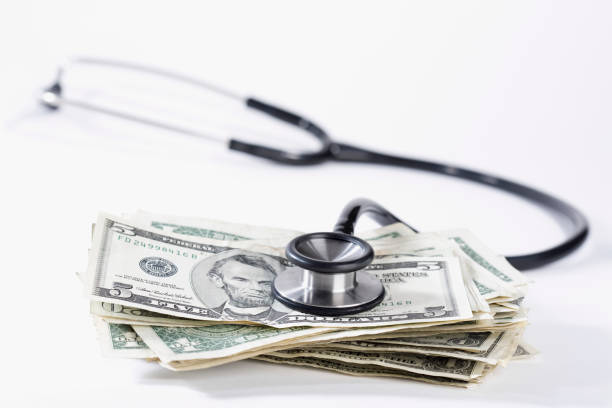
Healthcare debt is one of the most dangerous forms of overextended debt for middle-class consumers. Unlike a car loan or a mortgage, a medical bill is almost never planned for. You do not set aside money for a heart attack or a cancer diagnosis. The bill arrives after the crisis, when you are already dealing with pain, recovery, and lost income. This is why healthcare debt can trap people in a cycle that is hard to break.
The problem starts with the cost itself. Even with health insurance, the out-of-pocket expenses can be crushing. Deductibles, copays, and coinsurance add up quickly. A single emergency room visit can cost thousands of dollars, even for something simple like a sprained ankle or a bad case of the flu. If you need surgery or an extended hospital stay, the bills can climb into the five- or six-figure range. Insurance covers a portion, but the patient share is often more than a typical middle-class family has in savings.
Many people react by putting these bills on credit cards. This is the first step into the cycle. A credit card is easy to use, and when you are stressed and sick, the path of least resistance is to swipe and hope for the best. But medical debt on a credit card is especially dangerous. Credit cards have high interest rates, often twenty percent or more. That means a five-thousand-dollar medical bill can easily become seven thousand dollars over a year of minimum payments. The debt grows even as you try to pay it down.
Another common move is to take out a personal loan to cover the medical bills. Personal loans have lower interest rates than credit cards, but they still require monthly payments. If you are already struggling because of lost work or reduced hours due to illness, adding a loan payment can push your budget over the edge. Miss a payment, and fees and penalties pile on. Your credit score drops, making it harder to refinance or get lower rates later.
Then there is the option of medical payment plans offered by hospitals or doctor’s offices. These sound like a good idea. You agree to pay a fixed amount each month until the bill is gone. But many of these plans come with fine print. Some charge interest after a certain period. Others require a down payment you may not have. And if you miss a payment, the provider can send the debt to a collection agency, which reports it to the credit bureaus. That single mark can hurt your credit for years.
The real trap, however, is that medical debt does not stop with one event. A serious health problem often leads to more health problems. If you delay follow-up care because you cannot afford the copays, a condition can get worse. That leads to more expensive treatments later. Or you skip a medication because the prescription is too costly, and end up in the emergency room again. Each new incident adds another layer of debt, while your ability to earn income may be declining.
Middle-class consumers are especially vulnerable because they often earn too much to qualify for government assistance but not enough to absorb a major medical shock. They have assets like a home or a retirement account, but those are not liquid. So they turn to debt, thinking they will catch up later. But later never comes. The interest compounds, the payments become unmanageable, and the debt becomes part of a larger financial crisis that can lead to bankruptcy.
One of the most overlooked aspects of healthcare debt is how it affects your entire financial life. When you are stressed about large medical bills, you may stop saving for retirement or your children’s education. You may cut back on everyday expenses like groceries or car maintenance, which creates new problems. The debt also damages your credit score, which raises the cost of borrowing for a car or a home. Some employers even check credit reports during hiring. A bad credit score can cost you a job offer.
Breaking the cycle requires a different approach than handling other kinds of debt. The first step is to understand that medical bills are often negotiable. Hospitals and doctors are used to patients who cannot pay the full amount. You can ask for an itemized bill and challenge any charges that seem wrong. You can request a discount for paying in cash or for paying a lump sum. Many providers have charity care programs that middle-class families do not know about. You may qualify for a reduction based on your income, even if you are not poor.
The second step is to avoid putting medical debt on credit cards or taking out personal loans if at all possible. Instead, work directly with the provider to set up a payment plan that you can actually afford. Make sure there is no interest and no penalty for late payment. Get everything in writing. If the provider refuses to negotiate, consider a nonprofit credit counseling agency that can help you create a debt management plan.
The third step is to protect your credit score. If a medical bill goes to collections, you have rights under the Fair Credit Reporting Act. You can dispute the debt if it is inaccurate or if the provider did not properly bill your insurance. Some credit scoring models now give less weight to medical debt than other types of debt, but that does not mean it is harmless. Paying off a medical collection can improve your score, even if the account remains on your report.
The broader lesson is that healthcare debt is not just a symptom of being overextended. It is a cause. A single unexpected illness or injury can undo years of careful financial planning. For middle-class consumers, the best defense is to build an emergency fund large enough to cover a few thousand dollars in out-of-pocket costs. That is easier said than done, but even a small fund can prevent the first use of a credit card. And always, always read the fine print before signing any payment agreement.
Healthcare debt is a trap, but it is one you can escape with awareness and direct action. Do not let a health problem become a permanent financial problem.