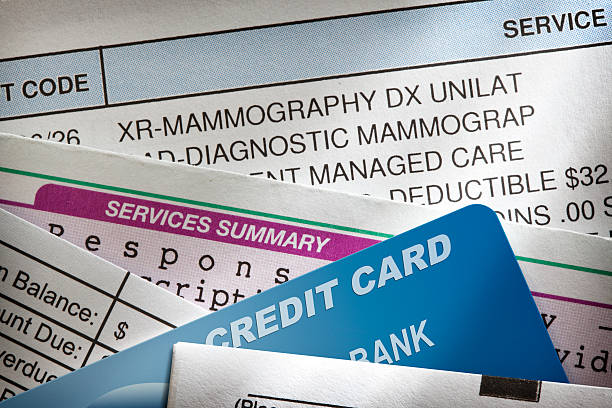
Medical debt is one of the most common ways middle-class households slip into financial trouble. Even with health insurance, a single emergency room visit, surgery, or chronic illness can leave you with thousands of dollars in out-of-pocket costs. In response, many hospitals and doctor’s offices now offer patients a seemingly convenient solution: medical credit cards or in-house financing plans. These products are marketed as a way to pay your medical bills over time, often with a promotional period of zero interest. But for the average consumer, they can be a trap that turns a manageable expense into long-term, high-interest debt.
The first thing to understand is that medical credit cards are not the same as a regular credit card you might use for groceries or gas. They are typically issued by a single lender, such as CareCredit or Wells Fargo Health Advantage, and can only be used to pay for healthcare services. The key selling point is the deferred-interest promotion, often called “no interest if paid in full within 12, 18, or 24 months.” That sounds great on the surface. You get the care you need now, and you have up to two years to pay it off without accruing interest. But here is where the danger lies: if you miss the deadline by even one day, or if you fail to pay the entire balance by the end of the promotional period, interest is charged retroactively on the full original amount, not just the remaining balance. This can mean a sudden spike of hundreds or even thousands of dollars in interest charges.
For a middle-class consumer juggling mortgage payments, car loans, and everyday expenses, it is easy to underestimate how quickly that promotional period can pass. Maybe you plan to pay off the $5,000 dental bill over eighteen months, but then your water heater breaks, your child needs braces, or you lose a few shifts at work. Before you know it, the eighteen months are up, and you still owe $2,000. Suddenly, you are hit with interest at rates that often exceed twenty-five percent, applied retroactively to the day you first received the service. That $5,000 procedure can end up costing you $7,000 or more.
Another common pitfall is the temptation to use medical financing for non-emergency care. Elective procedures like Lasik, cosmetic dentistry, or fertility treatments are often offered with these cards. Because the promotional period gives you a feeling of breathing room, you may agree to a procedure you cannot truly afford. The same retroactive interest trap applies. Even if you make every monthly payment on time, if you do not zero out the balance by the exact due date, the deferred interest will be added.
Beyond the credit card model, many hospitals offer their own in-house payment plans. These can be more flexible and may come with zero or low interest, but they often require a signed agreement that includes fine print. Some of these plans allow the hospital to report missed payments to credit bureaus immediately, damaging your credit score. Others may have administrative fees, late payment penalties, or clauses that allow the hospital to sell your debt to a collection agency if you fall behind. Once a collection agency gets involved, your credit score can drop by a hundred points or more, and the debt may stay on your report for seven years.
The best way to handle medical debt is to avoid these financing products altogether. If you receive a large bill, start by negotiating directly with the hospital or provider. Many nonprofit hospitals are required by law to offer financial assistance or charity care, but they rarely advertise it. Ask for an itemized bill, check for errors, and request a discount for paying in cash. Even a ten or twenty percent reduction can make a significant difference. If you need a payment plan, ask for an interest-free arrangement directly with the billing department. Most hospitals will agree to a monthly payment schedule without charging interest if you explain your situation and commit to a reasonable amount each month.
If you already have a medical credit card or financing plan with a deferred-interest promotion, your best move is to treat that balance as your top financial priority. Pay more than the minimum each month. Set up automatic payments to avoid missing a due date. And if you cannot pay the full balance before the promotional period ends, consider transferring the balance to a low-interest credit card or taking out a personal loan from a credit union. While those options are not perfect, they are far better than letting retroactive interest kick in.
Medical debt is stressful enough without adding financial traps. The smartest approach is to pay with cash or negotiate directly with your provider. If that is not possible, read every line of the financing agreement and understand exactly when interest will be charged. Your health is worth protecting, but so is your financial future.