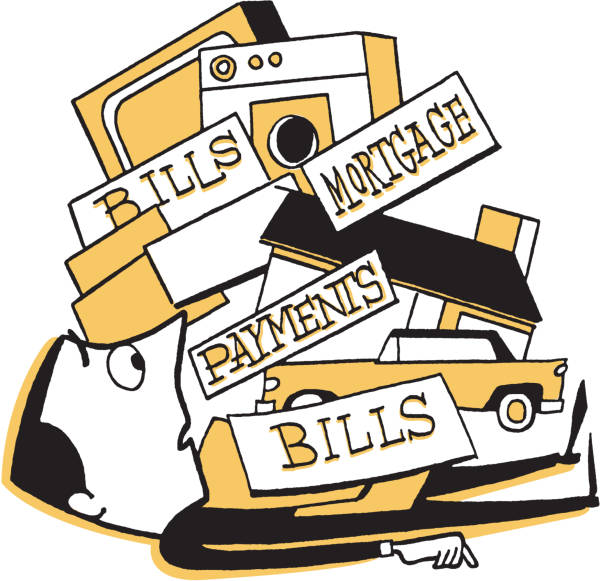
For many middle-class families, the monthly cost of childcare is the single biggest expense after rent or mortgage. A full-time infant slot at a licensed daycare center can easily run $1,200 to $2,000 per month, and in high-cost cities it can be even more. That’s roughly the same as a car payment plus insurance, or a small second mortgage. When your household budget is already tight, a few extra dollars can make the difference between staying current on your bills and falling behind. And once you start falling behind, childcare debt creeps in—often silently, because you cannot simply stop paying for care without losing your job or your child’s place.
Childcare debt is a specific type of overextended debt that most people don’t plan for. Unlike a credit card balance you rack up from vacations, childcare debt feels necessary. You tell yourself you have to pay it because you need to work. So you stretch. You put the weekly tuition on a credit card. You borrow from a family member. You skip a payment on another bill to cover the daycare invoice. Before long, the debt is not just the daycare bill itself—it’s the ripple effect: late fees, interest charges, and overdue payments on your other accounts.
The trap is that childcare costs are inflexible. You cannot negotiate them down the way you can with a cable bill or a gym membership. Daycare centers have fixed overhead—staff salaries, rent, insurance—and they don’t offer discounts for loyalty. If you miss a payment, many centers charge a penalty or even refuse to allow your child back until the balance is paid. That puts enormous pressure on parents to find the money somewhere, often by making bad financial choices.
One of the most common ways childcare debt shows up is on credit cards. A parent might charge a month of daycare on a card with a 22% APR, planning to pay it off with their next paycheck. But then the next month comes, and the same thing happens. The balance grows. Minimum payments become unmanageable. Late payments are reported to the credit bureaus, and your credit score drops. That lower score can then make it harder to refinance a mortgage or get a reasonable rate on a car loan, which only adds to your financial stress.
Another hidden form of childcare debt is debt to the daycare provider itself. Some families fall behind on tuition and owe the center thousands of dollars. The center may allow a payment plan, but those plans often come with interest or strict deadlines. If you cannot catch up, the center may turn your account over to a collection agency. That collection account can stay on your credit report for seven years. Worse, if you need a spot for a second child or a sibling later, the center may refuse enrollment until the old debt is paid.
Government subsidies and employer benefits can help, but they are not always easy to access. The Child Care and Development Block Grant (CCDBG) offers sliding-scale fees for low-income families, but middle-class households often earn too much to qualify. Employer-sponsored dependent care flexible spending accounts (FSAs) allow you to set aside pretax money for childcare, but that only works if you can afford to reduce your take-home pay in the first place. For families living paycheck to paycheck, an FSA can actually create a cash-flow problem because you get reimbursed after you spend the money.
So what can you do if you are already in childcare debt? First, be honest about the total amount you owe, including to the daycare, on credit cards, and in other late fees. Write it down. Then contact the daycare director or billing department. Many providers are willing to work with you if you communicate early. Ask for a payment plan that spreads the overdue amount over three to six months. Even if they charge a small fee, it is usually better than paying huge credit card interest or having a collection account.
Second, look for any state or local childcare assistance programs. Even if you think you make too much, income limits have been raised in many areas since the pandemic. It is worth a thirty-minute phone call to your state’s child development agency. Also check if your employer offers a backup care benefit or subsidy—some companies have started providing emergency childcare vouchers to prevent employee turnover.
Third, reconsider your childcare arrangement if possible. Can you switch to a licensed family daycare, which is often cheaper than a center? Can you share a nanny with another family to split the cost? Can you adjust your work hours to reduce the number of days you need care? These are not easy changes, but they can lower your monthly payment and free up cash to pay down existing debt.
Finally, do not ignore the problem. Childcare debt does not go away. It compounds. A single missed daycare payment can trigger a chain reaction of late fees, interest, and credit damage that takes years to repair. If you are already overextended, prioritize stopping the bleeding. That might mean cutting other expenses temporarily—eating out less, pausing subscriptions, selling unused items—to make sure the childcare bill is paid on time each month.
Childcare debt is a sign of a broken system, but it is also a very real financial burden for millions of middle-class parents. The most important step is to recognize it as debt, not just a temporary inconvenience. Treat it with the same seriousness as a mortgage or car loan. Because the cost of daycare may be necessary, but the debt that follows does not have to be permanent.