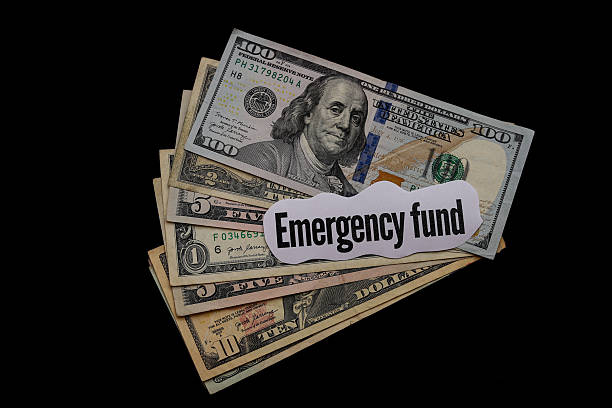
In the landscape of personal finance, few tools are as universally recommended yet as frequently overlooked as the emergency fund. This dedicated pool of savings, typically covering three to six months of essential living expenses, serves a purpose far more profound than simple prudence. At its core, the emergency fund functions as a strategic buffer, a financial shock absorber whose primary role is to prevent the insidious slide into high-interest debt when life delivers its inevitable surprises. By providing immediate, liquid capital for unforeseen expenses, it allows individuals to navigate crises without resorting to credit cards, payday loans, or other forms of costly borrowing, thereby preserving long-term financial health.
The mechanism by which an emergency fund prevents debt is elegantly straightforward: it breaks the direct link between an unexpected expense and a liability. Consider common financial shocks such as a sudden car repair, a major home appliance failure, or an unexpected medical bill. Without accessible savings, these events create an immediate cash shortfall. For many, the only available recourse is to reach for a credit card or apply for a short-term loan. While this solves the immediate problem, it creates a new, more pernicious one—debt that accrues interest, often at exorbitant rates. This debt can quickly snowball, turning a single $1,000 emergency into a lingering $1,500 or $2,000 burden after interest and potential fees. An emergency fund intercepts this cycle at its origin. The money is simply transferred from savings to cover the cost, leaving no balance to carry, no interest to pay, and no threat to one’s credit score.
Furthermore, the protective role of an emergency fund extends beyond acute crises to provide stability during more prolonged disruptions, most notably job loss. A period of unemployment represents one of the most severe threats to financial solvency. Without a safety net, the loss of income forces individuals to rely on credit to cover fundamental needs like housing, utilities, and groceries. This can lead to catastrophic debt accumulation in a matter of months. A robust emergency fund, however, provides the runway needed to search for new employment without the panic of impending bills. It grants the psychological and financial space to make prudent career decisions rather than accepting the first available opportunity out of desperation. In this capacity, the fund does not just prevent debt; it preserves autonomy and prevents a temporary setback from becoming a long-term financial catastrophe.
The psychological impact of possessing an emergency fund also contributes significantly to debt prevention. Financial stress often leads to short-sighted decision-making. The anxiety of an unpaid bill or a looming repair can push individuals toward quick-fix debt solutions without fully considering the long-term consequences. Knowing that a financial buffer exists reduces this anxiety, fostering a mindset of control and planning. This calm allows for more rational evaluation of options when a problem arises, including seeking out cost-effective solutions or negotiating payment plans from a position of strength, rather than one of need. The fund transforms a potential emergency from a disaster into a manageable inconvenience.
In essence, an emergency fund is not merely a savings account; it is a proactive investment in financial resilience. It operates as a dedicated insurance policy against the reliance on high-cost debt. By absorbing the initial impact of unforeseen expenses, it protects both current assets and future income from being eroded by interest payments and fees. In doing so, it safeguards one’s creditworthiness, reduces stress, and creates the stability necessary for sustainable wealth-building. Building this fund requires discipline and time, but its role is indispensable. It is the foundational stone of sound financial planning, ensuring that life’s unexpected events become setbacks to be managed, rather than triggers for a debilitating cycle of debt. In the ongoing journey toward financial security, the emergency fund stands as the essential first line of defense.