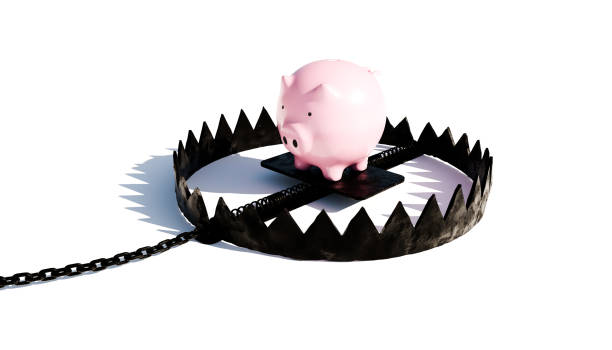
Lifestyle inflation, often called “lifestyle creep,“ is the subtle yet pervasive process of increasing one’s spending as disposable income rises. It is the upgraded apartment after a promotion, the more expensive car lease, the habitual dining out, and the premium subscriptions that gradually become the new normal. While it feels like a natural reward for hard work, this financial phenomenon acts as a silent saboteur, systematically destroying future financial flexibility by locking individuals into higher fixed costs, decimating savings potential, and creating a fragile economic existence vulnerable to the slightest disruption.
The primary mechanism by which lifestyle inflation attacks financial flexibility is through the expansion of fixed and recurring expenses. When a raise or bonus is immediately allocated to a larger mortgage payment, a pricier gym membership, or a luxury vehicle loan, these commitments become monthly obligations. Financial flexibility is, at its core, the freedom to make choices—to change careers, take a sabbatical, invest in an opportunity, or weather an emergency without catastrophic stress. By voluntarily inflating one’s baseline cost of living, an individual dramatically narrows their margin of safety. They exchange potential future freedom for present-day comfort, building a golden cage of their own design. Their budget becomes rigid, leaving little room to maneuver when life inevitably presents unexpected expenses or desirable, unplanned opportunities that require capital.
Consequently, this creep directly cannibalizes the most powerful tool for building future security: savings and investment. Every dollar spent on a non-essential upgrade is a dollar not compounding in a retirement account, not building an emergency fund, and not purchasing future income-generating assets. The true cost of a lifestyle upgrade is not merely the price tag, but the “opportunity cost” of the financial growth that money could have achieved over decades. A person who consistently saves thirty percent of each raise builds wealth; a person who spends one hundred percent of each raise builds only a more expensive routine. Over time, this divergence creates a staggering wealth gap. The former individual approaches the future with a robust portfolio and options; the latter approaches it with a heightened standard of living but no increased capacity to handle a loss of income, making them financially brittle.
This brittleness leads to the ultimate destruction of flexibility: an increased vulnerability to financial shocks and a prolonged dependence on active labor. Without a significant buffer, an economic downturn, medical emergency, or sudden job loss can force drastic, traumatic downsizing. Furthermore, by aligning their spending perfectly with their earnings, individuals enslave themselves to their current income level. The idea of taking a lower-paying but more fulfilling job, starting a business, or retiring early becomes mathematically impossible. They must continue working at their current pace or higher simply to sustain the lifestyle they have grown accustomed to, often leading to burnout and a feeling of being trapped on a hedonic treadmill. The promised joy of the upgrades fades as they become the new baseline, yet the requirement to fund them remains perpetual and inflexible.
In essence, lifestyle inflation is a trade of long-term resilience for short-term gratification. It mistakes increased earning power for increased wealth, when true wealth is measured not by what one spends, but by what one keeps and invests. The antidote is conscious consumption and intentional budgeting. By deliberately decoupling spending increases from income increases—automating savings and investments with each raise before lifestyle adjustments are considered—individuals can resist the creep. This discipline preserves and enhances financial flexibility, ensuring that future choices are driven by passion and purpose, not by the relentless need to fund an inflated cost of living. The path to enduring financial freedom lies not in expanding one’s monthly obligations, but in diligently building the gap between one’s earnings and one’s needs, creating space for both security and serendipity in the years to come.