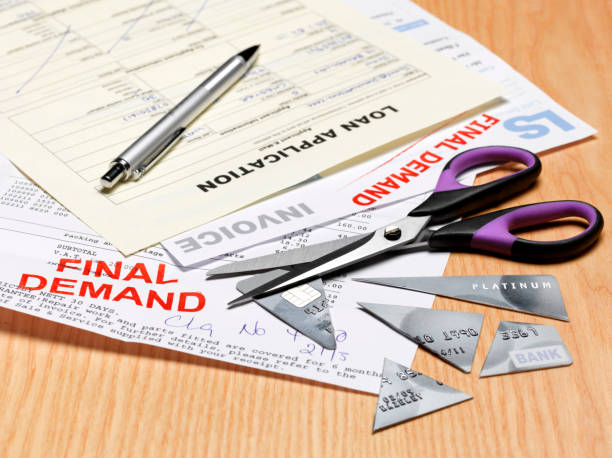
When you fall behind on a credit card bill or a personal loan, and the original creditor gives up and sells your debt to a collection agency, you might feel like you finally have a way out. The agency calls and offers to settle the debt for less than the full amount you owe. Maybe they say you can pay half of what’s due and they’ll call it done. It sounds like a relief, and in many cases it is a better option than doing nothing. But before you celebrate closing that chapter, you need to understand that settling a debt comes with its own set of hidden costs that can follow you for years.
The most immediate and often surprising cost is the tax bill. When a collection agency forgives part of your debt, the Internal Revenue Service treats that forgiven amount as income. If you owe $10,000 and settle for $5,000, the $5,000 you did not pay is considered taxable income. The agency is required to send you a form 1099-C, and you have to report that amount on your tax return. Depending on your tax bracket, you could owe a significant chunk of that to the government. If you were already struggling financially, this unexpected tax liability can be a serious blow. There are exceptions for insolvency, meaning if your total debts are greater than your assets at the time the debt was forgiven, you might not owe taxes, but proving insolvency requires paperwork and careful calculations. Many people overlook this and get a nasty surprise the following April.
Beyond taxes, settling with a collection agency leaves a permanent mark on your credit report. When you pay a debt in full, the original creditor or collector may update your report to show a zero balance, but the late payments and the fact that the account went to collections will still be there. When you settle for less than the full amount, that status is often reported as “settled” or “paid for less than the full balance.” To a future lender, that looks different from “paid in full.” It signals that you were unable or unwilling to fulfill your original agreement. Many lenders view a settled debt nearly as negatively as a charge-off or a bankruptcy. It stays on your credit report for seven years from the date of the first missed payment. That is a long time to carry a blemish that can raise interest rates on car loans, mortgages, and even insurance premiums.
There is another hidden cost that is less obvious but just as real: the risk of the collection agency selling the remaining debt to another company. When you negotiate a settlement, you typically agree to pay a lump sum in exchange for the agency closing the account. But if you do not get that agreement in writing, or if you make a partial payment without a clear settlement letter, the agency might sell the remaining balance to a different collector. That new company can then resume collection efforts for the portion you thought you had resolved. You can end up paying two different agencies for the same debt, or fighting endless phone calls because the original settlement was not properly documented. This is why it is critical to get everything in writing before you send a single dollar. A settlement letter should state that the payment is accepted as full satisfaction of the debt and that the account will be closed.
Your credit score itself is affected not just by the settlement notation, but also by the age of the debt. If you settle an old debt that is close to falling off your credit report, you might actually reset the clock. Some collection agencies report the settlement as a new activity, which can make the debt appear more recent than it actually is. Under the Fair Credit Reporting Act, negative items can generally stay for seven years, but a new activity date can cause confusion. You may need to dispute the reporting to ensure the original seven-year timeline is honored. That is extra work and can involve sending letters and waiting months for corrections.
There is also a less tangible cost: the effect on your future borrowing ability. Even if your credit score recovers over time, many mortgage lenders and banks manually review applications. They see a settled debt and may ask for an explanation. Some lenders will require you to pay a higher down payment or a higher interest rate because they consider you a higher risk. If you ever want to start a business, get a professional license, or even rent an apartment, that settled debt can come up again. Landlords and employers sometimes check credit reports, and a settled collection can raise questions about your reliability.
Finally, settling a debt often requires a lump sum payment. If you do not have the cash, you might borrow it from family or take out a personal loan. That means you are swapping one debt for another, possibly at a higher interest rate. The emotional cost of juggling that repayment while still dealing with the credit fallout can be exhausting.
None of this means you should never settle. Sometimes it is the only realistic option. But you should go in with your eyes open. Know that the forgiven amount may be taxed, your credit will be scarred for years, and you must get everything in writing. If you can, try to negotiate a “pay for delete” where the agency agrees to remove the entire collection entry from your credit report in exchange for payment. Not all agencies will do it, but it is worth asking. And before you send any money, talk to a nonprofit credit counselor who can help you weigh these hidden costs against the benefits. Settling a debt is not a clean escape. It is a trade-off, and you need to know exactly what you are trading away.