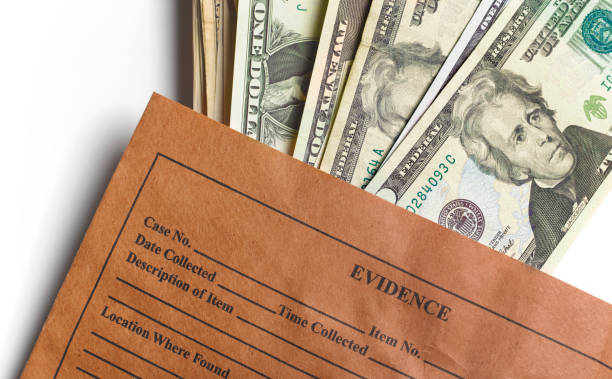
If you fall behind on your debts, the people you owe money to have legal options to collect what is owed. One of the most intimidating tools in a creditor’s toolbox is wage garnishment. This is a court-ordered process that forces your employer to take a portion of your paycheck and send it directly to your creditor before you ever see that money. For a middle-class consumer, this can feel like a sudden and painful hit to your household income. Understanding how wage garnishment works, why it happens, and what you can do about it is essential for protecting your financial life.
Wage garnishment is not something that happens overnight. Usually, a creditor must first sue you and win a judgment. That means they filed a lawsuit, you either did not respond or lost the case, and the court formally decided that you owe the money. Once the judge signs a judgment, the creditor can ask the court for a writ of garnishment. That writ is then served to your employer. The employer is legally required to follow the order. They will start deducting a set amount from each of your paychecks and sending it to the creditor. You are not fired for this, but it can create tension at work because the payroll department now knows about your debt.
The amount that can be taken is not unlimited. Federal law protects a portion of your income. The general rule is that a creditor can garnish the lesser of two numbers: twenty-five percent of your disposable earnings, or the amount by which your weekly income exceeds thirty times the federal minimum wage. Disposable earnings are what remains after legally required deductions like taxes and Social Security. So if you earn a decent middle-class salary, the garnishment might be around a quarter of your take-home pay. For someone earning fifty thousand dollars a year after taxes, that could be several hundred dollars per month. That is a painful chunk, but the law prevents the creditor from taking everything.
Certain types of income are entirely off limits for most private creditors. For example, Social Security benefits, disability payments, veteran’s benefits, child support you receive, and most retirement account funds cannot be garnished for a typical credit card or personal loan debt. But if your main income comes from a regular job, your wages are fair game once a judgment is obtained. There are also special protections for people who are the head of a household in some states, meaning you support more than half the cost of keeping a family going. In those cases, the state may cap garnishment at an even lower percentage or exempt you entirely.
Wage garnishment does not stop you from paying your other bills. That is one of the hardest parts. Your rent, car payment, utilities, and grocery costs still need to be covered out of whatever is left. Many people end up juggling payments or falling behind on other obligations, which can create a domino effect of late fees, collections calls, and even additional lawsuits. The stress is real, and it can affect your ability to focus at work and maintain healthy relationships at home.
So what can you do if you are facing wage garnishment or trying to avoid it? The best step is to take action before the creditor gets a court judgment. If you receive a lawsuit notice, do not ignore it. Respond to the court and try to work out a settlement or payment plan. If a judgment has already been entered and garnishment is starting, you still have options. You can ask the court to reduce the garnishment amount if it creates an extreme financial hardship. You can also file for bankruptcy, which puts an automatic stop to most garnishments. Bankruptcy is a serious step with long-term credit consequences, but for some people it is the only way to get a fresh start.
Another option is to negotiate directly with the creditor. Even after a judgment, some creditors will agree to a lump sum payment that is less than the full balance, or a payment plan that stops the garnishment. Creditors would rather get paid than spend more time and money chasing you. If you can show them you are willing to pay something reasonable, they might agree to release the garnishment order.
The key takeaway is that wage garnishment is a serious consequence of unpaid debt, but it is not the end of the world. You have legal protections, options to negotiate, and the ability to seek court relief. For a middle-class consumer, the best defense is staying informed and acting quickly when debts become overwhelming. Do not stick your head in the sand. A few phone calls or a trip to a free legal aid clinic can make the difference between losing a quarter of your paycheck and keeping your finances under control.