Most middle-class consumers know they should keep their credit card balances low relative to their limits. The common advice is to stay below 30% utilization. But many people misunderstand how the credit bureaus actually measure that number. The key is not just what you spend or pay, but when your card issuer reports your balance to the bureaus. That timing is dictated by your billing cycle.
Your credit card has a monthly billing cycle, typically lasting about 30 days. At the end of that cycle, the issuer generates a statement. That statement shows your balance on the closing date. That balance is what gets reported to the credit bureaus. So even if you pay off the entire balance a few days after the statement closes, your reported utilization for that period will be based on the balance at the statement date.
Here is where many people trip up. They use their card freely throughout the month, then make a large payment before the due date. They think they have zero utilization. But if that payment arrives after the statement closed, the balance that was reported remains high. They have created a false picture of high credit use. This can lower their credit score for that month even though they never carried a balance.
The opposite is also true. If you pay down your balance before the statement closes, you can keep your reported utilization very low. This is often called the “early payment” strategy. You do not have to wait for the due date. Instead, you make a payment a few days before your statement closing date. Then when the issuer sends the statement, it shows a low balance or even zero. That low number goes to the credit bureaus.
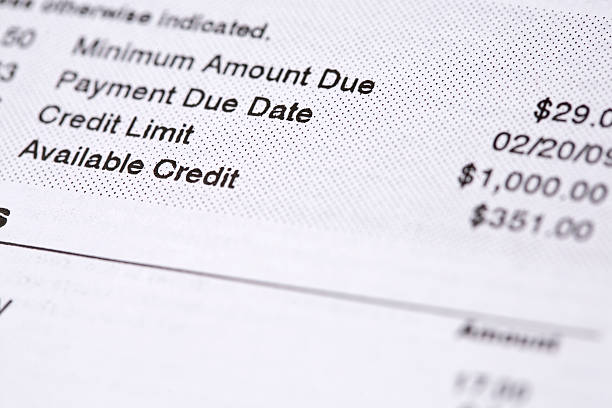
This strategy is especially useful if you have a single card with a low limit. Suppose you have a credit card with a $1,000 limit. You need to put $800 on it for a large purchase. If you let that balance sit until the statement closes, your utilization will be 80%. That will hurt your score. But if you pay $600 before the statement closes, only $200 will be reported. That is 20% utilization, which is safe. You still owe $600, but you will pay that after the statement date, on the regular due date. You are not paying interest because you pay the full statement balance by the due date.
Another scenario involves multiple cards. Utilization is calculated both for each individual card and for your overall total credit across all cards. The billing cycles for different cards may not align. One card might close on the 15th of the month, another on the 25th. If you want to optimize your overall utilization, you need to know each card’s closing date and make early payments accordingly.
This is not difficult to manage. Most issuers show your statement closing date in your online account or on your paper statement. You can set a calendar reminder a few days before that date. Then log in and make a payment for whatever amount you want to bring your balance down. The remaining balance after that payment will be your reported balance.
Be careful not to confuse the statement closing date with the due date. The due date is typically around 20 to 25 days after the statement closes. The due date is when you must pay at least the minimum to avoid a late fee. But for utilization purposes, the closing date is what matters.
Does this mean you should always have a zero balance reported? Not necessarily. Completely zero utilization across all cards can sometimes look odd to lenders. A small reported balance, like 1% to 9%, is actually better than zero. It shows you are using credit responsibly without being maxed out. So if you pay most of your balance early but leave a tiny amount, say $10 or $20, that can give a slight boost.
One more thing about the 30% rule. It is a guideline, not a hard limit. Scores start to drop for any utilization above 30%, and the drop gets steeper as you go higher. But the ideal range is much lower. People with excellent scores often have utilization under 10%. The billing cycle strategy lets you achieve that even if you spend a large portion of your limit during the month.
Middle-class consumers often juggle monthly expenses with irregular income. The early payment method does not require extra money. You are just moving the timing of your payment. You pay the same amount each month, just earlier. This is a simple habit that can raise your credit score by ten or twenty points over time. That can mean lower interest rates on loans and better credit card offers.
Understanding the link between your billing cycle and credit utilization is one of the easiest ways to take control of your credit file. You do not need to change your spending. You just need to change when you pay.