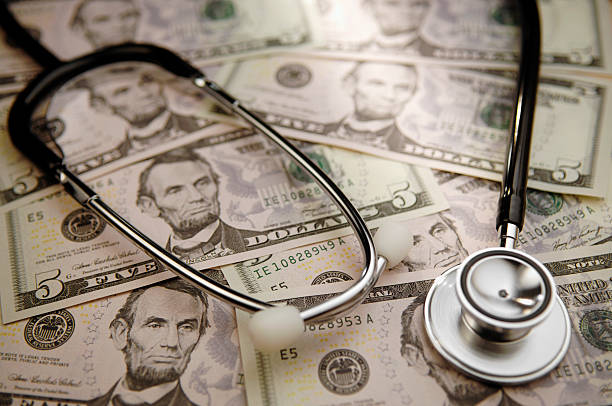
A medical crisis is a seismic event, striking with little warning and upending lives in an instant. While the immediate concern is understandably health and survival, the financial aftershocks often create a secondary, prolonged catastrophe: overwhelming debt. The journey from hospital bed to financial distress is a complex and distressingly common American narrative, driven by a confluence of high costs, insurance inadequacies, and lost income that together form a perfect storm of economic vulnerability.
The foundation of this crisis is the sheer, staggering expense of modern healthcare. An ambulance ride can cost thousands, an emergency room visit can run into the tens of thousands, and a single major surgery or a cancer treatment regimen can easily exceed six figures. These are not retail prices for goods, but urgent, non-negotiable services required to preserve life. Patients in crisis are in no position to shop around or decline treatment based on cost. This absolute inelasticity of demand places individuals at the mercy of a complex and opaque pricing system, where a single dose of medication or an hour in an operating room can generate bills that represent years of a typical salary. The initial medical bills themselves, often arriving in a confusing cascade of statements from hospitals, physicians, labs, and imaging centers, are the first and most direct source of debt.
However, the bills are only part of the equation. The role of health insurance, while designed as a shield, often functions more like a sieve with significant gaps. High-deductible health plans, now commonplace, require individuals to pay thousands of dollars out-of-pocket before coverage even begins. Co-pays and coinsurance then demand a percentage of the remaining costs, which on a massive bill can still be a crippling sum. Furthermore, narrow provider networks can lead to “surprise” bills from out-of-network anesthesiologists or specialists who assisted in care unbeknownst to the patient, leaving them responsible for balances their insurer refuses to pay. Even with insurance, a serious illness can easily generate tens of thousands in immediate out-of-pocket liabilities, sums few families have readily available in savings.
Simultaneously, a medical crisis typically halts or severely reduces a patient’s ability to earn an income. A prolonged hospital stay, a demanding treatment schedule, or a lengthy recovery period means missed work. For many in hourly or gig-economy positions, no work means no pay. Even those with salaried positions and sick leave may exhaust their allotted time quickly. This loss of income creates a dual financial hemorrhage: massive bills flood in while the primary source of funds to pay them dries up. Families must then cover not only medical expenses, but also their regular cost of living—mortgage or rent, utilities, groceries, and car payments—on a diminished or nonexistent income. This pressure forces them to drain savings accounts, max out credit cards, or take out high-interest personal loans, converting medical debt into even more costly consumer debt.
The psychological and logistical strain of the health crisis itself exacerbates the financial downfall. Navigating complex treatment decisions and recovery leaves little energy for the arduous task of negotiating with hospitals, appealing insurance denials, or setting up payment plans. Bills may go unchecked, leading to late fees and damage to credit scores. The stress of debt, in turn, can impede physical recovery, creating a vicious cycle where financial health deteriorates alongside physical health.
Ultimately, a medical crisis leads to debt because it attacks a household’s finances on multiple fronts simultaneously. It imposes catastrophic, non-negotiable costs, exposes the limitations and gaps in insurance coverage, and dismantles the very earning power needed to meet these new obligations. The result is that a path chosen to save a life or restore health often leads to a long, arduous journey through financial ruin, where the burden of debt becomes a lingering symptom of the original illness. It is a stark reminder that in the current system, the cost of survival can be a lifetime of financial strain.