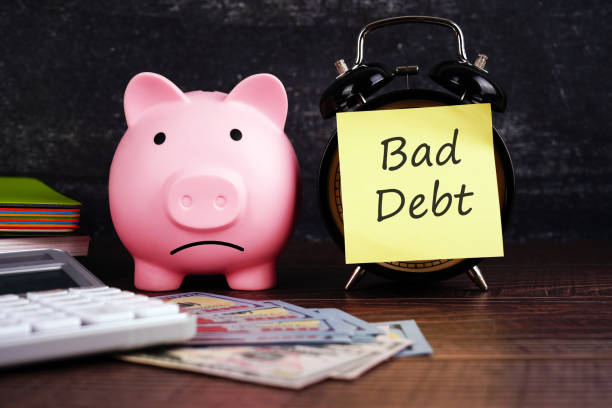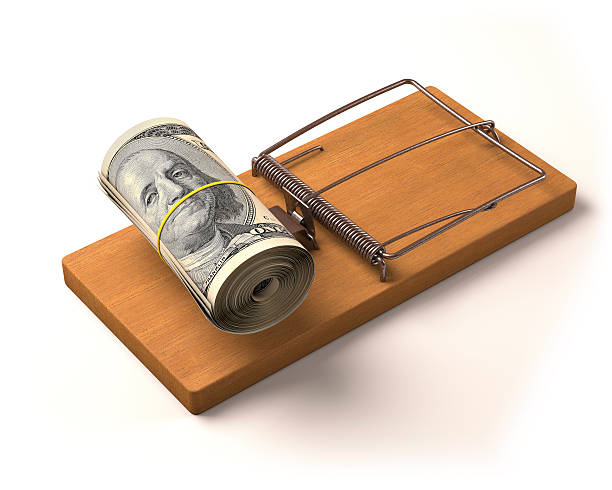
You get your first credit card in your 20s, and the minimum payment looks like a gift. Forty-five dollars this month on that nine hundred dollar balance. Easy. You pay the minimum, go out for drinks, and feel responsible because you made a payment. This is exactly how credit card companies make their real money, and it is the single most expensive mistake you can make during this decade of your financial life.
The math behind minimum payments is ugly. Credit card companies calculate your minimum as a small percentage of your total balance, usually between one and three percent. If you owe three thousand dollars and your minimum is two percent, you pay sixty dollars this month. That sounds reasonable until you look at the interest charges. Most cards carry annual percentage rates between eighteen and twenty-eight percent. That three thousand dollar balance will accrue roughly sixty dollars in interest the first month alone. Your sixty dollar minimum payment only covered the interest. You did not reduce your principal even by one dollar. You paid sixty dollars to stand still.
Let that sink in. You paid money to make no progress.
Here is the part that hurts. If you have a five thousand dollar balance on a card with twenty-two percent interest and you only make the minimum payment each month, it will take you over twenty years to pay it off. You will pay more than seven thousand dollars in interest alone. That pair of shoes, that emergency car repair, or that dinner out that you put on the card will eventually cost you more than double the original price. You are in your twenties. You have the lowest income you will probably ever have. You cannot afford to throw away seven thousand dollars on interest.
The trap is psychological as much as it is mathematical. When you pay the minimum, the balance on your statement barely changes. You can spend again next month without feeling bad because you never see real progress. You convince yourself that you are managing the debt. You are not managing it. You are feeding it. Your credit card balance becomes a ceiling that stays uncomfortably close to your head while interest nibbles away at your monthly cash flow.
There is also a hidden cost specific to people in their twenties. Your credit utilization ratio matters enormously right now. This ratio measures how much of your available credit you are using at any given time. If you have a total credit limit of five thousand dollars across all your cards and you carry a balance of four thousand dollars, your utilization is eighty percent. Credit scoring models hate this. High utilization tells lenders you are stretched thin and living on borrowed money. Even if you pay the minimum every month on time, your credit score will drop because you look like a risk. A lower score means you will pay higher interest rates on your next car loan, your apartment application might get rejected, and you could miss out on better credit cards with rewards that actually benefit you.
The damage goes beyond your credit report. Money you send to minimum payments every month cannot go anywhere else. That seventy five dollars could be going into a retirement account that would grow tax-free for forty years. That one hundred fifty dollars could be your emergency fund deposit. When you are in your twenties, the money you waste on interest is not just wasted today. It is money that could have been working for you through decades of compound growth. Every dollar you pay in credit card interest is a dollar you stole from your future self.
Breaking the trap requires one simple rule. Pay your statement balance in full every single month. Not the minimum. Not a little extra. The full statement balance. This means you cannot spend money you do not have on your credit card. If you cannot afford to pay for something with the cash in your checking account right now, you cannot afford to put it on your credit card. This is not complicated, but it is hard. It requires you to live within your means when everyone around you seems to be spending freely.
If you already have a balance and you cannot pay it all off immediately, stop using the card today. Put it in a drawer. Cut it up if you have to. Direct every extra dollar you can find toward that balance. Pick up a side gig. Sell things you do not need. Cook at home instead of ordering delivery. Every dollar you pay above the minimum is a dollar that speeds up your freedom. You want to be out of credit card debt before you turn thirty because that is when bigger financial decisions start coming at you fast.
Your twenties are the practice years. The habits you build now will define your financial future more than any raise, promotion, or inheritance ever will. The minimum payment is not a feature. It is a trap designed to keep you paying for years. Do not fall for it.