Most people think their credit score takes a hit only when they miss a payment or carry too much debt on their credit cards. While those are certainly major factors, there is a more subtle and daily threat that chips away at your financial health without you even noticing. That threat is impulse spending on small, frequent purchases. The coffee you grab on the way to work, the fast casual lunch when you forgot to pack one, the streaming subscription you signed up for and never canceled, and the late night online shopping spree for random household items all have a direct and measurable impact on your credit score. Understanding this link is the first step toward conscious spending, which is the most powerful prevention strategy you have for protecting your credit.
The connection between a five dollar coffee and your credit score is indirect but powerful. It runs through your credit utilization ratio. This ratio is the second most important factor in your credit score calculation, right behind your payment history. It represents the amount of credit you are currently using compared to your total available credit limit. For example, if you have a single credit card with a five thousand dollar limit and you have a balance of one thousand dollars, your utilization ratio is twenty percent. Financial experts and the credit scoring models themselves generally recommend keeping this ratio below thirty percent. The lower it is, the better your score looks to lenders.
Now, here is where the small purchases come in. If you are making five or six small impulse purchases every day, that money has to come from somewhere. For many middle class consumers, it comes from a credit card. After all, it is easier to tap your card for a six dollar sandwich than it is to dig for cash. By the end of the month, those small charges can easily add up to three or four hundred dollars. That extra balance on your card pushes your credit utilization ratio higher. If your total credit limit across all cards is, say, ten thousand dollars, an extra three hundred dollars in impulse spending might not seem like much. But if you are already carrying a few thousand dollars in regular monthly expenses on that same card, that added three hundred could push you from a healthy twenty five percent utilization right up to thirty two percent or higher.
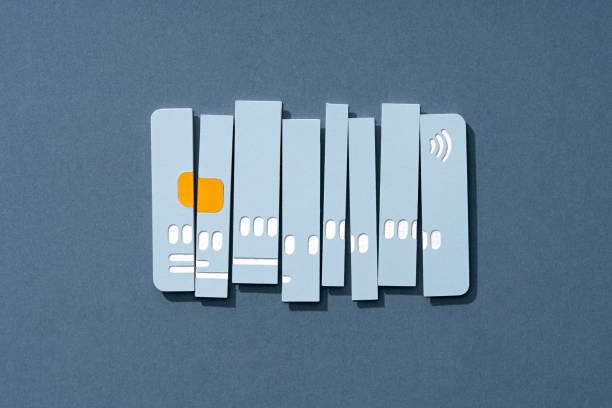
Crossing that thirty percent threshold is a red flag to credit scoring algorithms. It suggests to lenders that you might be becoming dependent on credit to fund your daily lifestyle. Even if you pay your bill in full every month, the high balance reported to the credit bureaus at the time of your statement closing can lower your score. This is a frustrating reality for many responsible consumers. You pay off the entire balance when the bill arrives, but the credit bureaus only saw the high balance from the middle of the billing cycle. That snapshot in time is what gets factored into your score.
There is also a hidden cost to impulse spending that goes beyond the math. It creates a mindset of permission. Once you train yourself to say yes to a small, unnecessary purchase, it becomes easier to say yes to a larger one. This is the psychological trap of credit cards. The physical act of handing over cash creates a tangible sense of loss. Swiping a card or entering a number online creates a much weaker emotional response. This separation between the act of spending and the feeling of parting with your money is called the pain of paying. Impulse spending thrives in the absence of this pain.
To protect your credit, you need to bring the pain back into the equation. A simple strategy is to impose a cooling off period on any purchase that is not a true necessity. If you see something you want online, put it in your cart and walk away for twenty four hours. In most cases, the desire will fade. For everyday impulse buys like coffee or snacks, consider switching to a cash only system for those specific categories. If you limit yourself to twenty dollars in cash per week for these small luxuries, you will find yourself making much more deliberate choices about what you actually want.
Conscious spending also means auditing your subscription services. A single fifteen dollar streaming service is fine. But many middle class consumers have four or five of them, plus app subscriptions, cloud storage fees, and gym memberships they rarely use. These are auto pay impulse purchases. They drain your account and increase the balance you carry on your cards each month, directly inflating your utilization ratio. Go through your bank statements for the last three months and cancel everything you do not use weekly.
Finally, remember that your credit score is not a reward for being good with money. It is a data point that predicts your risk as a borrower. The data that goes into that calculation comes directly from your behavior. Every time you make an impulse purchase on credit, you are generating a data point that can work against you. Conscious spending is simply the practice of making sure that every data point you generate is a positive one. It is about choosing your financial future one small decision at a time. The coffee you skip today is a small sacrifice for the lower interest rate you might get tomorrow. That trade off is worth making.