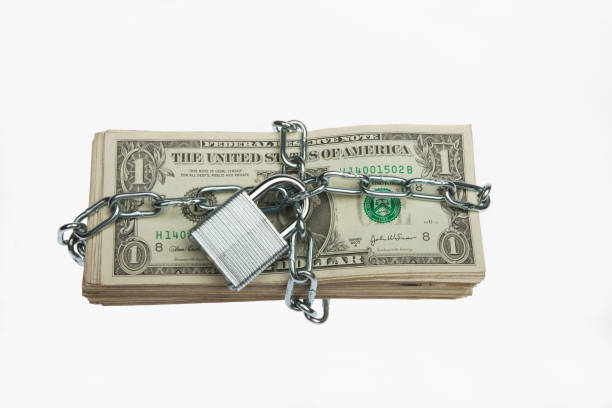
When an individual takes out a secured loan, they enter into a financial agreement underpinned by a tangible asset, offering the lender a form of insurance against non-payment. While the immediate stresses of missed payments, damaged credit scores, and accumulating fees are severe, they pale in comparison to the most significant and definitive risk: the forfeiture of the pledged collateral. This loss of property is not merely a financial transaction; it is a disruptive life event with profound and lasting consequences that extend far beyond the balance sheet.
The fundamental mechanics of a secured loan create this very vulnerability. Whether the collateral is a home, a vehicle, or a valuable piece of equipment, the borrower explicitly grants the lender a legal claim to that asset. Defaulting—typically after a series of missed payments—triggers the lender’s right to seize and sell the property to recoup the outstanding debt. This process, known as repossession for movable items like cars or foreclosure for real estate, is the lender’s ultimate recourse. Unlike an unsecured loan, where the lender must pursue legal judgments and wage garnishments, the path to recovery for a secured lender is direct and anchored in the physical asset itself.
The impact of this forfeiture is most starkly illustrated in the context of a home mortgage. Foreclosure is not simply the loss of a financial investment; it is the loss of shelter, stability, and a sense of security. Families are uprooted, children may need to change schools, and the emotional toll of being forced from one’s home can be devastating. Furthermore, a foreclosure remains on a credit report for seven years, severely hampering the ability to purchase another home, secure reasonable rental agreements, or obtain credit for a vast period. The loss is both deeply personal and systematically punitive.
Similarly, the repossession of an automobile demonstrates the practical devastation of collateral loss. For many, a vehicle is not a luxury but a necessity for commuting to work, transporting children, and accessing essential services. Losing a car can directly lead to lost employment, creating a vicious cycle where the inability to get to work eliminates the very means of resolving the financial hardship. The repossessed asset is often sold at auction, frequently for less than its market value and the remaining loan balance, potentially leaving the borrower with a deficiency judgment—a legal obligation to pay the difference, compounding the financial ruin.
Therefore, the biggest risk of defaulting on a secured loan is this enforced surrender of a critical asset, which catalyzes a cascade of secondary crises. It is a risk that transforms a financial problem into a holistic life crisis. The lost property represents eroded equity and years of investment wiped out. The associated credit damage slams shut doors to future financial opportunities, making recovery an arduous, multi-year journey. The psychological effects—shame, stress, and a loss of autonomy—can be debilitating.
In contrast to the negotiated settlements or payment plans sometimes available with unsecured debt, the process of collateral seizure is often swift and unilateral, leaving the borrower with little agency. While laws provide certain redemption periods and procedures, the momentum is overwhelmingly in the lender’s favor. This underscores the non-negotiable core of the secured loan agreement: the asset is the foundation of the deal. When payments cease, that foundation is dismantled.
Ultimately, understanding this paramount risk is crucial for any borrower. It emphasizes that a secured loan is a pledge, a transaction where one’s property is perpetually on the line until the final payment is made. This knowledge should inform borrowing decisions, encouraging borrowers to choose loan terms that are sustainable even in the face of financial setbacks. It is a sobering reminder that while secured loans often offer lower interest rates, their true cost is measured not just in dollars and cents, but in the potential loss of the roof over one’s head, the car in the driveway, or the tools of one’s trade—the very assets that provide security in both name and function.