Carrying multiple debts can feel like navigating a financial maze with no clear exit. The weight of various balances, interest rates, and due dates creates stress and can hinder your long-term financial goals. However, with a deliberate and disciplined strategy, you can systematically dismantle your debt and achieve financial freedom. The best approach is not a one-size-fits-all solution but a personalized plan built on assessment, method selection, and behavioral commitment.
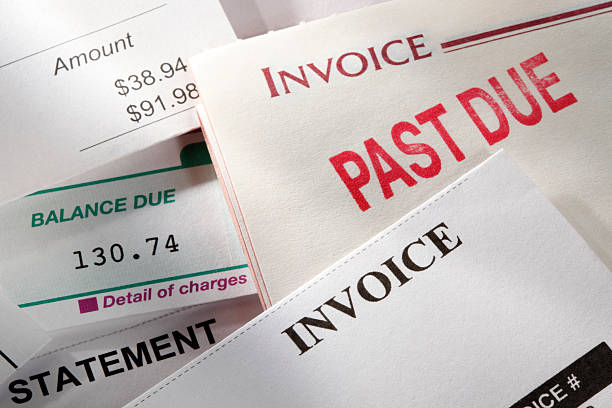
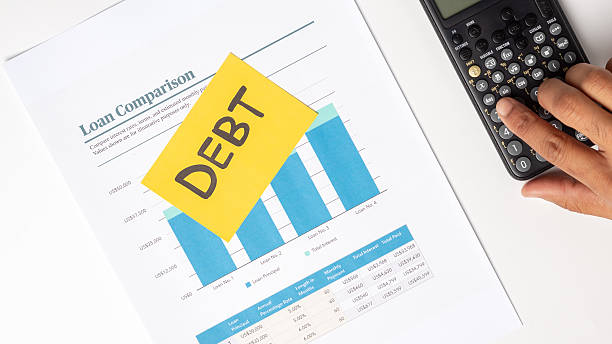
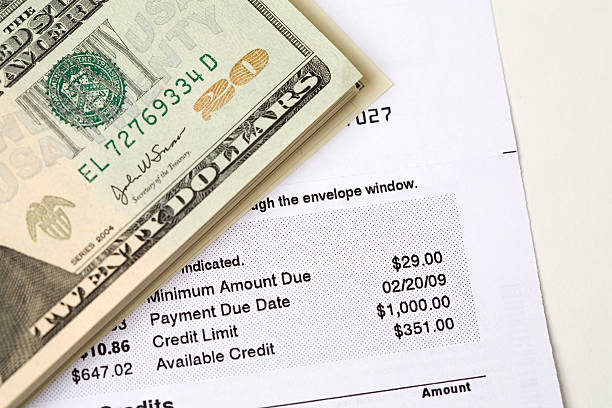
The journey begins with a comprehensive and honest assessment of your entire debt landscape. This crucial first step requires gathering statements for every obligation, from credit cards and personal loans to auto financing and student debt. Create a detailed list that includes each creditor, the total balance owed, the minimum monthly payment, and, most importantly, the annual percentage rate (APR). This snapshot provides the essential data needed to make informed decisions. Concurrently, you must scrutinize your monthly income and expenses to determine exactly how much surplus cash you can allocate toward debt repayment each month. Even a modest, consistent amount above the minimum payments can create powerful momentum. This budgeting exercise often reveals opportunities to temporarily reduce discretionary spending, freeing up more funds to attack your debts.
With a clear picture of your finances, you can choose a repayment method that aligns with your psychology and circumstances. Two primary strategies are widely advocated. The first is the debt avalanche method, which prioritizes debts according to their interest rate. You list your debts from highest APR to lowest and commit to paying the minimum on all while directing every extra dollar toward the debt with the highest interest rate. Once that is paid off, you roll its payment amount to the next highest-rate debt, creating a growing “snowball” of payments. Mathematically, this method saves you the most money on interest over time. The second approach is the debt snowball method, popularized by financial expert Dave Ramsey. Here, you order your debts from smallest balance to largest, regardless of interest rate. You focus on paying off the smallest debt first while maintaining minimums on the others. The quick win of eliminating an entire balance provides a potent psychological boost and builds confidence to tackle the next, slightly larger debt. While it may cost more in interest, the behavioral motivation it generates is invaluable for many.
Beyond these core methods, consider complementary tactics to accelerate your progress. A balance transfer to a credit card with a zero percent introductory APR can be a powerful tool for high-interest credit card debt, allowing you to pay down the principal faster without accruing interest, provided you pay it off within the promotional period and avoid new charges. Similarly, exploring debt consolidation through a personal loan with a lower interest rate can simplify multiple payments into one and potentially reduce your interest costs. It is critical, however, to approach these options with discipline; they are not a cure but a tactical advantage that requires you to cease accumulating new debt. Throughout this process, maintain communication with your creditors. If you encounter hardship, many are willing to discuss hardship programs or modified payment plans, which can prevent your credit score from suffering further damage due to missed payments.
Ultimately, the single best strategy is the one you can stick to with relentless consistency. Whether you choose the mathematically optimal avalanche or the psychologically motivating snowball, the key is sustained action. Celebrate small milestones to maintain motivation, and keep your ultimate goal—financial peace and the freedom to use your money for your future—firmly in mind. By confronting your debts with a clear plan, you transform a source of anxiety into a structured, winnable challenge. Each payment brings you closer to the day when your income is entirely your own, marking the true victory in the journey to becoming debt-free.