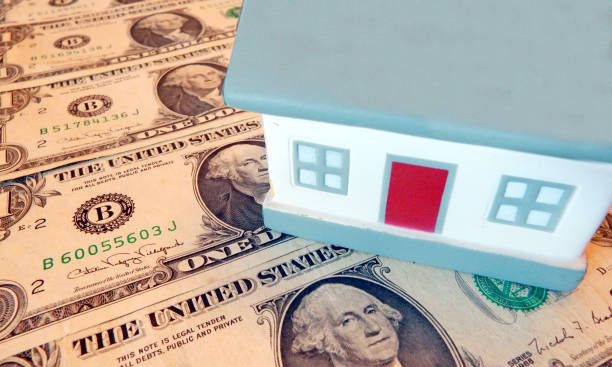
A home equity loan and a Home Equity Line of Credit (HELOC) are two powerful financial tools that allow homeowners to tap into the accumulated value of their property. Both are forms of secured debt, meaning the loan is backed by the home itself as collateral. While they share this fundamental characteristic, their structures and ideal uses differ significantly, making an understanding of each crucial for any homeowner considering leveraging their equity.
A home equity loan, often called a second mortgage, provides a homeowner with a lump sum of cash upfront. The amount is based on the equity in the home, which is the difference between the property’s current market value and the remaining balance on the primary mortgage. For instance, if a home is worth $400,000 and the mortgage balance is $250,000, the homeowner has $150,000 in equity. Lenders typically allow borrowing up to 80-85% of that equity. This loan comes with a fixed interest rate, a set repayment term—often 10 to 30 years—and consistent monthly payments, much like a traditional mortgage. It offers predictability and is best suited for one-time, known expenses.
In contrast, a HELOC operates more like a credit card secured by the home. Instead of a lump sum, the lender approves a credit limit based on the home’s equity. The homeowner can then draw from this line of credit as needed, during a “draw period” that usually lasts 5-10 years. During this phase, payments are often interest-only on the amount borrowed. Once the draw period ends, the “repayment period” begins, typically lasting 10-20 years, during which the borrower must repay both principal and interest on the remaining balance. HELOCs generally have variable interest rates, meaning payments can fluctuate with market conditions. This flexibility makes them ideal for ongoing or unpredictable costs.
The decision to use either instrument hinges on the specific financial need. A home equity loan is frequently employed for large, single-outlay projects. A common and prudent use is funding major home renovations or repairs, such as a kitchen remodel or a new roof, which can simultaneously increase the property’s value. It is also strategically used for debt consolidation, allowing individuals to pay off high-interest credit card or personal loan debt with a single, lower-interest loan, simplifying finances and potentially saving thousands in interest. Furthermore, the lump sum is suitable for significant one-time expenses like financing a wedding, covering substantial medical bills not covered by insurance, or making a large investment.
A HELOC, with its revolving credit nature, is better matched for expenses that unfold over time or where the total cost is uncertain. It is perfectly suited for phased home improvement projects where costs may arise incrementally. It can also serve as a strategic financial safety net, providing a ready source of funds for emergencies without the need to apply for a new loan. Some homeowners use a HELOC to fund educational expenses, drawing on it each semester to pay tuition. Additionally, because of its structure, a HELOC can be a tool for real estate investors to quickly access capital for down payments or property repairs.
Regardless of the choice, it is paramount to remember that both a home equity loan and a HELOC place the home at risk. Failure to make payments can result in foreclosure. Therefore, they should be used judiciously for needs that enhance financial stability or add long-term value. They are generally not recommended for discretionary spending like vacations or luxury items. Consulting with a financial advisor is wise to assess individual circumstances, compare rates and terms from multiple lenders, and ensure that leveraging one’s home equity aligns with a sound, long-term financial plan. Ultimately, when used responsibly, these tools can unlock the value built in a home to achieve important life goals and improve overall financial health.