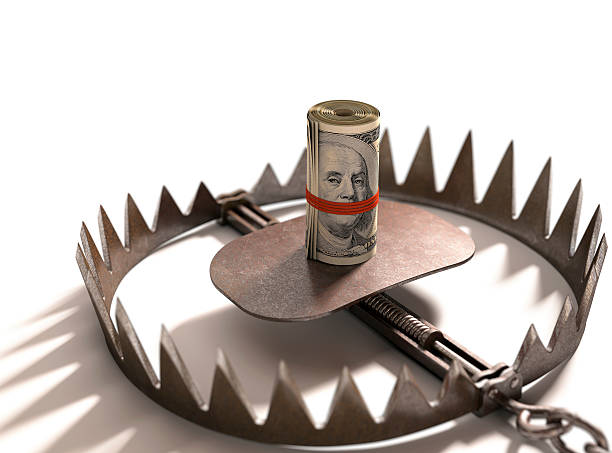
Credit tools can make everyday money management easier, but they also make it easier to borrow more than you planned. The best precautions are simple: know what you are signing up for, decide how you will repay before you borrow, and keep a close watch on your accounts. A credit card, line of credit, installment loan, buy now pay later plan, or balance transfer can be useful, but each one comes with rules, costs, and risks. Treat every credit tool as a financial commitment, not as extra income.
Start by reading the key terms before you apply. Look for the interest rate, annual fee, late fee, minimum payment, grace period, and what happens if you miss a payment. With buy now pay later plans, find out whether the plan reports to credit bureaus and what fees apply if you are late. With a new card, check whether the promotional rate expires and what rate applies afterward. Do not rely on a sales pitch or a quick app screen. If the terms are hard to find or understand, ask for a clear explanation in writing before you agree.
Have a repayment plan before you use the tool. For a card purchase, know which budget category will cover the bill and whether you can pay the full balance when the statement arrives. For a loan, compare the monthly payment with your regular income and other bills. A low minimum payment can make a balance feel manageable while interest quietly grows. If you cannot repay the full amount quickly, calculate the total cost of the purchase with interest. Avoid using one credit tool to pay another, such as a cash advance to make a card payment, because that can turn a small problem into a long-term debt cycle.
Keep your credit use within a range you can handle. A useful habit is to spend only what you could pay in cash if you had to, and to keep your balances well below your limits. High balances can hurt your credit scores and make future borrowing more expensive. Also avoid opening several accounts in a short period just to collect rewards or discounts. Each application may affect your credit, and too many accounts can be hard to track. Use the tools that fit your life, not every offer that arrives.
Set up safeguards against missed payments and fraud. Put payments on autopay for at least the minimum amount if your budget can support it, but still review each statement before the due date. Check for charges you do not recognize, duplicate charges, and subscriptions you forgot about. Turn on account alerts for large purchases, low available credit, and upcoming due dates. Use strong passwords and two-step verification where available. Keep your card numbers private and avoid saving payment details on websites you do not trust.
Review your credit reports and statements regularly. You can get free credit reports from the major credit bureaus, and checking them helps you spot accounts or inquiries you do not recognize. If you find an error, dispute it with the creditor and the credit bureau. Keep records of payments, emails, and chats with lenders. When you use a credit monitoring tool, remember that it is a warning system, not a substitute for reading your statements. If your card is lost or stolen, report it right away and follow the issuer’s instructions.
Compare offers before you commit. A lower interest rate can save more than a reward program, and a small annual fee may be worth it only if you use the benefits. Watch for pressure to decide quickly, and do not share account access with anyone who is not a trusted partner. If you close an account, understand how it may affect available credit. Keep it simple.
Borrow for needs, not for a lifestyle you cannot afford, and build a small emergency fund so a surprise expense does not automatically become debt. Before using a credit tool, ask whether it improves your financial situation or only delays a problem. Avoid co-signing unless you can repay the debt yourself, and be careful with cash advances, high-fee cards, and loans that require quick decisions. If you already have debt, focus on paying the highest-cost balances first and consider asking your lender about a lower rate or hardship plan. Credit tools work best when you control them.