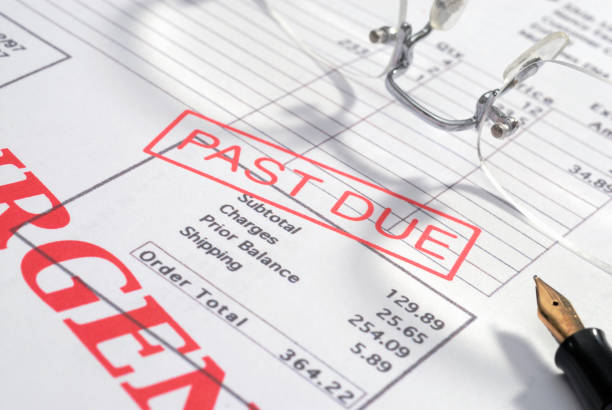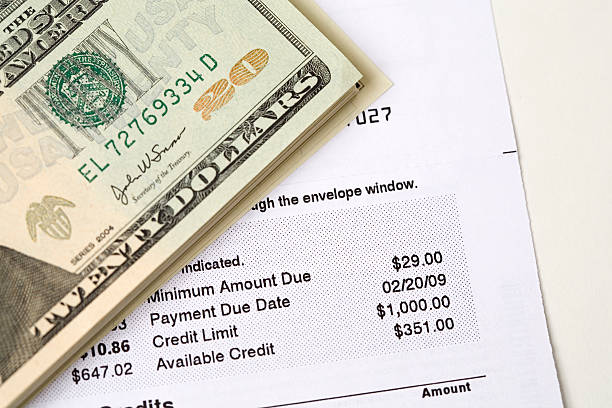
It starts so small. You forget to pay your credit card bill by the due date. Maybe you were busy, maybe the mail got lost, maybe you simply overlooked the email reminder. You think nothing of it because you plan to pay tomorrow, or the day after. But that one missed due date can trigger a chain reaction that reaches far beyond a simple late fee. The real cost is not the twenty-five or thirty-five dollars the card issuer charges you. The real cost is the damage to your credit score, and that damage can linger for years, affecting your ability to borrow, rent, work, and even insure your life.
Your credit score is a number that summarizes your history of handling borrowed money. And the single most important factor in that calculation is your payment history. For most scoring models, including the widely used FICO score, payment history makes up about thirty-five percent of your total score. That means nothing hurts your score faster or more dramatically than a late payment. Even if you have paid every single bill on time for years, one slip can knock dozens of points off your score overnight. The exact drop depends on where you start. Someone with an excellent score of 780 might lose seventy to one hundred points after a single thirty-day late payment. Someone with a fair score of 680 might lose sixty to eighty points. And if your score is already low, the drop can be even more severe.
The damage gets worse the longer you wait. A payment that is thirty days late is bad. A payment that is sixty days late is worse. At ninety days late, most lenders will report it as seriously delinquent, and your score can plummet by over one hundred points. At that point, the card issuer might also start the process of charging off your account or sending it to a collection agency. Once a debt goes to collections, it appears on your credit report as a separate negative item, and that can stay there for seven years from the date of the first missed payment. The original late payment mark also remains for the full seven years. So one mistake can leave a double scar on your credit report.
The immediate consequence of a lower credit score is that it becomes harder and more expensive to borrow money. If you apply for a mortgage, a car loan, or a new credit card, lenders will see the late payment and charge you a higher interest rate to compensate for the added risk. Over the life of a thirty-year mortgage, a rate that is just two percentage points higher can cost you tens of thousands of extra dollars. That same late payment can also cause your existing credit card company to raise your interest rate, even on accounts you have paid on time. This is called penalty pricing, and it is allowed for most card agreements. Suddenly, the card you used responsibly for years now carries a higher annual percentage rate, which makes it harder to pay down any balance you carry.
The damage does not stop with loans and credit cards. Landlords commonly check credit scores before approving rental applications. A score that has dropped from excellent to good, or from good to fair, can mean you get turned down for an apartment you want. If you are approved, the landlord may require a larger security deposit or ask for a cosigner. Employers in certain industries also check credit reports, especially for jobs that involve handling money or sensitive information. A negative item like a late payment can cost you a job opportunity. Insurance companies use credit-based insurance scores to set premiums for auto and home policies. A lower score often means higher monthly premiums, even if you have never filed a claim.
The effects also ripple into your personal life. If you need to open a utility account for a new home, the company might require a deposit because of a low credit score. Cell phone providers often run credit checks as well, and a negative mark can mean a larger deposit or a more expensive plan. Even getting approved for a simple store credit card becomes difficult. All of these small barriers add up to a real financial drag that can last for years.
It is important to understand that paying off the late amount does not erase the mark from your credit report. The record of the late payment remains, and its impact on your score slowly fades over time. The older it gets, the less it matters, but it stays visible for the full seven years. The only way to remove it early is if the creditor agrees to a goodwill adjustment, and that is rare unless you have a long history of perfect payments and a solid relationship with the lender.
The best defense is a simple one: automate. Set up automatic payments for at least the minimum amount due on every bill. Then check your accounts regularly to make sure the payments are going through. Even if you prefer to pay manually, automation acts as a safety net. A few minutes of setup can save you years of credit trouble. If you do slip, pay the bill as soon as you realize it. The sooner you pay, the better your chance of avoiding a thirty-day late mark. Some lenders will not report a payment as late until it is thirty days past due, so paying on day fifteen may prevent the negative from ever reaching your credit report.
A late payment is not the end of your financial life. But it is a serious setback that takes time and discipline to overcome. Every time you miss a due date, you are not just paying a small fee. You are chipping away at the foundation of your financial reputation. Protect that reputation like you would any valuable asset. It costs nothing to pay on time, and it can cost everything to pay late.