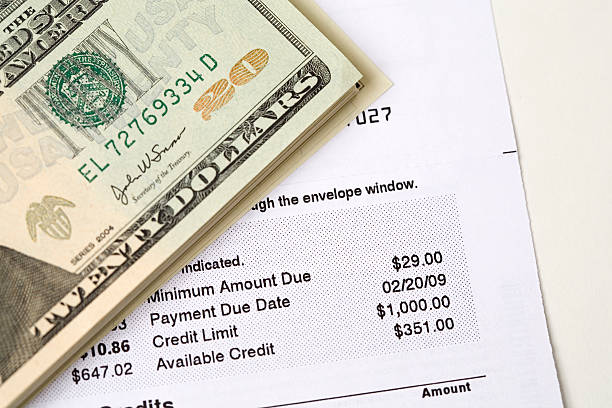
Nobody plans to get sick. But a sudden visit to the emergency room or a chronic condition can lead to bills that pile up faster than you can open them. For many middle-class households, medical debt is not a sign of poor money management. It is simply the result of a system where a single hospital stay can cost more than a new car. And when those bills go unpaid for too long, they get handed over to a collection agency. That is the moment your credit score starts to take a hit.
Understanding how medical collections work is important because they behave differently from other kinds of debt. When you miss a payment on a credit card or a car loan, the lender reports that directly to the credit bureaus. With medical debt, the hospital or doctor’s office usually waits a while. They might send you several statements, make phone calls, and offer payment plans. But if you ignore the bills or simply cannot pay, they eventually sell the debt to a collector. The collector then reports the account to the major credit bureaus, and that negative mark stays on your report for up to seven years.
The effect on your credit score can be significant. A single medical collection can drop your score by 50 to 100 points, depending on where you started. If you had a good score, that drop might push you from “excellent” to “good.“ If your score was already average, it could knock you into the “fair” or “poor” range. That matters because your credit score influences your interest rates on loans, your ability to rent an apartment, and even your insurance premiums. A sudden medical emergency can therefore have a long-lasting financial ripple effect.
There is some good news, though. The credit scoring models have become more forgiving about medical debt. In recent years, both FICO and VantageScore have reduced the impact of medical collections compared to other types of collections. For example, a small unpaid library fine or an old utility bill can hurt your score more than a large medical bill that went to collections. Also, paid medical collections are treated more favorably than unpaid ones. If you manage to settle the debt, the collection agency can remove it from your credit report, or at least mark it as paid, which boosts your score.
What should you do if you receive a call from a collector about a medical bill? First, do not panic. Ask for a detailed statement that shows the original charge, the date of service, and the name of the hospital or doctor. Sometimes bills are sent to collections by mistake, or the amount is wrong. You have the right to dispute any error. You should also check your insurance explanation of benefits to see what your plan was supposed to cover. Many times, the insurance company processed the claim incorrectly, and the bill is not actually your responsibility.
If the bill is legitimate, your next step is to talk to the collection agency about a payment plan. Many agencies are willing to work with you, especially if you explain your situation. You can also negotiate the amount. Medical debt is often bought by collectors for pennies on the dollar, so they may accept a lower lump sum. For example, if you owe five thousand dollars, they might settle for two thousand. Get any agreement in writing before you make a payment.
Another option is to go back to the original provider. Some hospitals have charity care programs or financial assistance policies. You can apply for a reduction or forgiveness of the bill, especially if your income is below a certain threshold. Even if you earn a moderate income, it is worth asking. Many hospitals are willing to cut their charges or set up an interest-free payment plan directly, which keeps the debt away from collectors entirely.
Ideally, you want to catch the problem early. The moment you receive a medical bill that you cannot pay, do not throw it aside. Call the billing office immediately. Explain that you need help. They may offer a discount for prompt payment or direct you to a social worker who can connect you with assistance programs. The sooner you act, the more options you have.
Medical debt is stressful, but it does not have to ruin your finances forever. By understanding how collections work and taking proactive steps, you can protect your credit score and keep your financial life on track. Remember that your health matters more than your credit, but with a little effort, you can manage both. The key is to communicate, ask questions, and never ignore the problem. A single phone call could save you hundreds of dollars and years of credit headaches.