Buy Now Pay Later services have exploded in popularity over the past few years. You have seen them at checkout on almost every online store. They promise a simple way to split a purchase into four or six interest-free payments. For many middle-class consumers, that offer feels like a responsible budgeting tool. You want a new couch or a pair of sneakers, and you do not want to put the whole amount on a credit card. So you click the BNPL button and walk away feeling smart.
But here is the part that rarely makes it into the slick marketing: those small payments can quietly damage your credit score in ways that surprise you later. Understanding how this happens is the first step to using BNPL without wrecking your financial health.
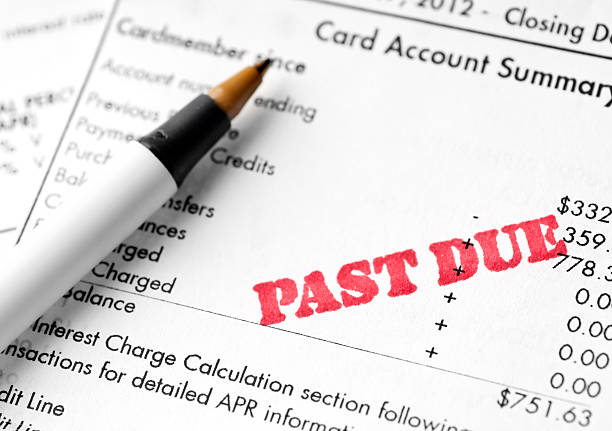
The most obvious risk is missed or late payments. When you use a credit card, you have a grace period and a monthly statement cycle. You get a clear reminder. With BNPL, each installment is typically due every two weeks. That is a schedule that is easy to lose track of, especially if you have multiple plans running at once. Miss one payment by even a day, and many BNPL providers report it to credit bureaus. A single late payment can drop your credit score by 50 to 100 points depending on your starting number. That is a big hit for forgetting a fifteen-dollar payment on a pair of shoes.
Less obvious but just as damaging is the way BNPL affects your credit utilization ratio. This ratio is a major factor in your credit score. It compares how much credit you are using to how much you have available. BNPL loans are not revolving credit like a credit card, but they are still debt. If you take out several BNPL agreements, your total outstanding debt goes up. That increases your overall debt-to-income ratio and can make you look riskier to lenders. Even though you are not maxing out a credit card, the total debt load matters. When you apply for a mortgage or a car loan, the lender will see those small BNPL balances and add them to your monthly obligations. That can reduce how much house you qualify for.
Another factor that people overlook is the number of hard inquiries. Some BNPL providers run a soft credit check that does not affect your score. Others run a hard pull, especially for larger purchases or if you choose a longer payment plan. Hard inquiries stay on your credit report for two years and each one can lower your score by a few points. If you shop around and use BNPL for multiple small purchases in a short period, those hard hits add up. Credit scoring models see a cluster of inquiries as a sign that you are desperate for credit, and that hurts your score even more.
There is also the problem of order returns and disputes. With a credit card, if you return a damaged item, you have strong consumer protections and can dispute the charge. With BNPL, the rules are often less clear. If you return a product, you might still be on the hook for payments while the merchant processes the refund. In the meantime, your next installment is due. If you miss it because you expected the refund to hit first, that late payment goes on your record. Some BNPL providers also charge late fees that can be higher than credit card penalties, and those fees do not help your credit either.
Finally, consider the psychological impact. BNPL makes spending feel painless. You see a small dollar amount every two weeks instead of a large total. That encourages you to buy more than you would if you had to pay upfront. Before you know it, you have six or seven active BNPL plans. When you add them up, you are spending three hundred or four hundred dollars a month on installment payments for things you might not have bought otherwise. That monthly drain on your budget can force you to carry a balance on your credit cards, which then increases your credit utilization and lowers your score. It becomes a vicious cycle.
The good news is that you can use BNPL without hurting your credit. The key is to treat each plan like a serious loan. Only use BNPL for purchases you could afford to pay in full today. Set up automatic payments or calendar reminders so you never miss a due date. Keep track of all your active plans with a simple spreadsheet or a note on your phone. Avoid using multiple BNPL services at the same time. And never take a BNPL plan just to get free shipping or a small discount.
Your credit score is one of the most valuable financial tools you have. A high score saves you money on interest rates, insurance premiums, and even rental deposits. A few small BNPL slips can undo years of responsible credit card use. By understanding exactly how these plans affect your score, you can make smarter choices and keep your credit healthy while still enjoying the convenience of paying over time.