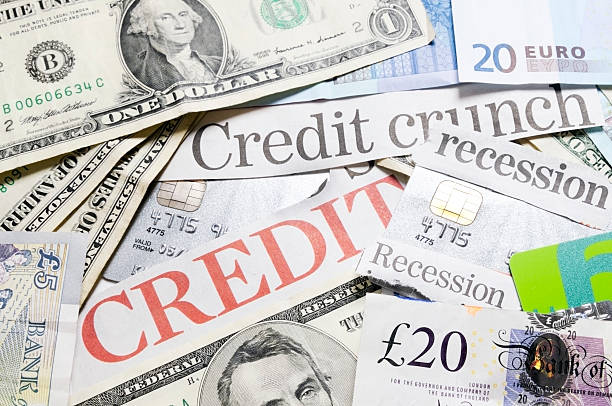
If you are behind on credit card bills or personal loans, you have probably seen ads for companies that promise to settle your debt for pennies on the dollar. They sound like a lifeline. You stop making payments, hand over a monthly fee, and they negotiate with your creditors to wipe out a big chunk of what you owe. It feels like a smart shortcut out of a hole. But for most middle-class consumers, debt settlement is more like a trap door. What these companies do not tell you in the commercial is that you will likely end up deeper in debt, with a wrecked credit score and possible lawsuits from your original lenders.
The basic idea behind for-profit debt relief is that you stop paying your credit cards and let the balances go delinquent. You send a set amount each month to the settlement company instead. They promise to hold that money in a dedicated account while they haggle with your creditors. When enough time has passed, the creditor gets tired of chasing you and agrees to accept a lower lump sum. The settlement company takes a fee—often fifteen to twenty-five percent of the amount you save—and you are done. On paper, it sounds neat. In real life, the process takes years, and many people never finish.
The first problem is that creditors do not have to settle. If you stop paying, they will call you, send letters, and eventually turn your account over to a collection agency. They may also file a lawsuit and get a judgment against you. A judgment allows them to garnish your wages or freeze your bank account. That is not a negotiation. That is a legal hammer. Debt settlement companies cannot stop a lawsuit. If a creditor decides to sue, you are on your own to hire a lawyer. Meanwhile, the money you have been paying the settlement company sits in an account that the creditor can also try to seize. The company will tell you not to worry, but your bank account is not protected just because it holds a “debt settlement” label.
Even if you avoid a lawsuit, the damage to your credit is severe. Late payments stay on your report for seven years. A settlement is marked as “settled for less than the full balance,” which lenders treat almost as badly as a bankruptcy. You will struggle to get a car loan, a mortgage, or even a new credit card for years. For a middle-class consumer who might need to move, buy a car, or handle an emergency, that is a huge hidden cost. The debt settlement company never explains that you are trading short-term relief for long-term financial isolation.
Another trap is the fee structure. Most companies charge you a percentage of the debt you enroll, not a flat fee. If you owe twenty thousand dollars and they charge twenty-five percent, that is five thousand dollars in fees—on top of the money you are supposed to set aside for settlements. Often, they collect fees even when no settlement happens. The Consumer Financial Protection Bureau has sued several large debt settlement companies for charging illegal up-front fees. Some states have banned the practice entirely. But the industry finds ways around the rules, often by calling that first payment a “enrollment fee” or “setup fee.”
There is also the problem of taxes. When a creditor forgives more than six hundred dollars of debt, the IRS considers that income. You will get a 1099-C form at tax time, and you will owe income tax on the amount that was written off. If the settlement company helped you wipe out fifteen thousand dollars, you could face a tax bill of a few thousand dollars the following spring. Nobody warns you about that.
So what should a middle-class consumer do instead of calling a debt settlement company? Start by talking directly to your creditors. Most credit card companies have hardship programs. If you explain that you have lost a job or had a medical setback, they may lower your interest rate, waive late fees, or set up a reduced payment plan. This is free. It does not involve a middleman taking a cut. If you need professional help, look for a nonprofit credit counseling agency. These agencies are funded by creditors, not by you. They will help you build a debt management plan where you make one affordable monthly payment, and the agency distributes it to your creditors at lower interest rates. Your credit still takes a hit, but much less than with settlement. And you avoid lawsuits and tax surprises.
The bottom line: for-profit debt relief companies profit from your desperation. They do not prevent anything—they ensure that your small problem becomes a bigger one. If you are already behind, the best prevention strategy is to act early, talk to your lender, and use a nonprofit counselor. Avoid the ads that promise to make your debt disappear. They only make your wallet disappear.