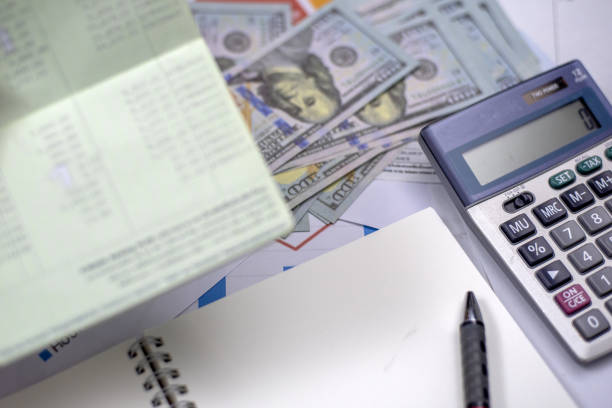
Most people think about credit only when they apply for a loan or check their score. The reality is that your credit health is built slowly, month by month, and the single most powerful tool you have is your personal budget. The way you plan your spending, track your bills, and handle surprises directly determines whether your credit report will look clean or cluttered. For the middle-class household, where income is steady but not unlimited, the budget is not just a list of expenses. It is the operating system for your financial life, and it quietly shapes your creditworthiness every single day.
Your credit score is not a mystery. It is largely a reflection of how reliably you pay back borrowed money. The largest piece of that score comes from your payment history. Every credit card bill, auto loan payment, and mortgage installment gets reported to the credit bureaus. One missed payment can stay on your credit report for seven years. But a missed payment is rarely a sudden accident. It is usually the result of not having a budget that accounts for the actual timing of your bills. If your income arrives on the first of the month but your credit card payment is due on the fifteenth, you need a plan in place to hold that money aside. A budget shows you exactly where every dollar goes, so you can prioritize your required payments before spending anything on dining out, streaming services, or other flexible items.
Another way your budget affects your credit is through your credit utilization ratio. That number compares your credit card balances to your credit limits. If you have a card with a five thousand dollar limit and you carry a balance of four thousand dollars, your utilization is eighty percent. That looks dangerous to lenders, and it drags your score down. A healthy utilization is generally below thirty percent, and lower is even better. The only way to keep your balance low is to spend less than you earn, which is the whole point of a budget. When you track your monthly expenses, you see exactly how much you can put on your card and still pay it off in full each cycle. You also avoid the trap of using credit cards to cover overspending, which is how balances spiral out of control. A budget forces you to face the numbers before you swipe, not after the statement arrives.
An emergency fund is a critical part of any budget, and it also protects your credit. Life happens. The car breaks down, the water heater dies, or a medical bill shows up out of nowhere. Without an emergency fund, you have two choices: put it on a credit card or miss a payment somewhere else. Both hurt your credit. Putting a large unexpected expense on a card can push your utilization above that thirty percent threshold. Missing a different bill to pay for the emergency ruins your payment history. A small emergency fund of even five hundred dollars can absorb minor shocks. A larger one, built slowly through your budget, covers more serious setbacks. The point is that your budget should include a regular line for savings, even if it is only fifty dollars a month. That small habit keeps you from turning a temporary problem into a long-term credit disaster.
Your budget also helps you manage the delicate balance between debt repayment and other life expenses. Middle-class families often carry multiple debts: student loans, car loans, credit cards, and perhaps a personal loan. Each one has its own due date and minimum payment. Without a budget, it is easy to lose track of one or to pay only the minimums while interest piles up. A good budget lists every debt, its interest rate, and its monthly payment. Then you can decide whether to pay extra on the highest-rate balance or use the snowball method to gain momentum. That extra payment reduces your principal, lowers your total interest, and eventually gets the debt off your credit report entirely. But those extra payments are impossible if you have not carved out room in your budget. The budget is what frees up that cash, whether by reducing spending elsewhere or by planning for overtime work.
Finally, a budget gives you the confidence to check your credit report regularly. When you know your spending is under control, you are less afraid of what you might find. You can review your report for errors, spot signs of identity theft, and see how your history is building. You can also plan for future credit needs, like a mortgage or a car purchase. A budget shows you how much house you can afford, how much you need for a down payment, and what your monthly payment should be without stretching yourself thin. That forward-looking approach prevents taking on debt you cannot handle, which is the root cause of most credit problems.
The connection between your budget and your credit is simple: your budget determines your behavior, and your behavior determines your score. You cannot fix your credit with tricks or credit repair services. You fix it by making a plan for every dollar you earn, by paying your bills on time, and by keeping your debt at a level that fits your income. A budget is not a punishment. It is a guide that shows you how to live within your means while building a credit history that gives you options. Start small. Write down your income, your fixed bills, and your variable spending. Find the leaks. Redirect that money toward your debt or your savings. Over time, your credit score will reflect the steady, boring choices you make every month. That is the real secret: there is no secret. There is only the budget, and the discipline to follow it.