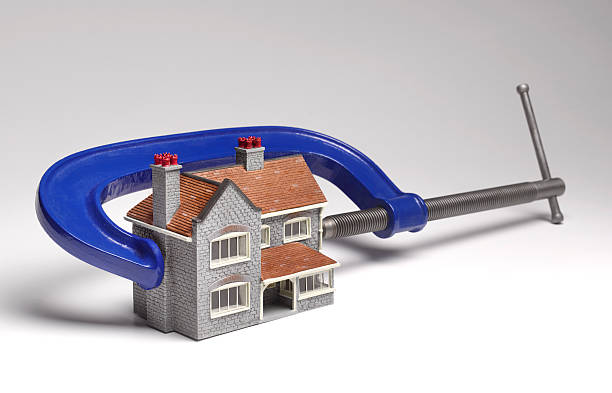
Navigating debt in one’s 20s can feel like steering a ship through a foggy channel—daunting, uncertain, but ultimately manageable with the right instruments and a clear heading. This decade, often marked by entry-level salaries and the foundational costs of adult life, is precisely the time to cultivate a disciplined and strategic approach to debt repayment. The goal is not merely to achieve a zero balance, but to do so in a way that builds financial resilience and aligns with one’s broader life aspirations.
The journey must begin with a moment of unflinching clarity: the debt inventory. This involves listing every obligation, from student loans and credit card balances to auto loans and medical bills, noting the exact amounts, interest rates, and minimum monthly payments. Confronting this totality is the essential first step, transforming a vague sense of burden into a defined set of problems that can be systematically solved. With this map in hand, the next critical move is to ensure that minimum payments are always met, without exception, to protect one’s credit score from damage. This baseline of responsibility is the foundation upon which any aggressive strategy is built.
Following this, crafting a personalized budget becomes the engine of repayment. This is not about deprivation, but about intentional allocation. By tracking income and essential expenses, one can identify a realistic and consistent amount to dedicate to debt beyond the minimums. This “debt snowball” or “debt avalanche” phase is where psychology and mathematics can be balanced. The avalanche method, targeting debts with the highest interest rates first, is mathematically optimal, saving the most money over time. Conversely, the snowball method, which focuses on paying off the smallest balances first for quick psychological wins, can provide powerful momentum for those who need encouragement to stay the course. Either path, chosen with self-awareness, is valid if it leads to consistent action.
While attacking debt, one must also guard against future financial fragility. Establishing a small, starter emergency fund—perhaps one thousand dollars—creates a crucial buffer. This fund prevents the inevitable unexpected expense, like a car repair or medical co-pay, from derailing the repayment plan and forcing further reliance on high-interest credit cards. It is a defensive financial move that protects the offensive debt repayment strategy. Simultaneously, it is wise to examine spending habits for potential savings, not with a mindset of scarcity, but of resourcefulness. Redirecting funds from non-essential subscriptions or discretionary spending can accelerate repayment without fundamentally altering one’s quality of life.
Importantly, a strategic approach in one’s 20s also considers the future. This means continuing to contribute, even if minimally, to retirement accounts, especially if an employer offers a matching contribution. That match is essentially free money and a return on investment that often far outpaces the interest rate on debt. Letting that go unused is a significant long-term cost. Furthermore, as income potentially grows through career advancement, it is vital to practice “lifestyle inertia”—resisting the urge to inflate one’s standard of living immediately and instead directing raises or bonuses toward debt. This accelerates the path to freedom.
Ultimately, the approach to debt repayment in one’s 20s is as much about mindset as it is about mathematics. It is about viewing debt not as a permanent state, but as a temporary condition to be managed with purpose and patience. By combining full awareness of obligations with a structured budget, a protected emergency fund, and a commitment to both present discipline and future planning, young adults can transform debt repayment from a source of stress into a foundational chapter of their financial education. The habits forged in this decade—clarity, consistency, and balance—will not only clear balances but also build the fiscal fortitude to navigate all the financial complexities that lie ahead.