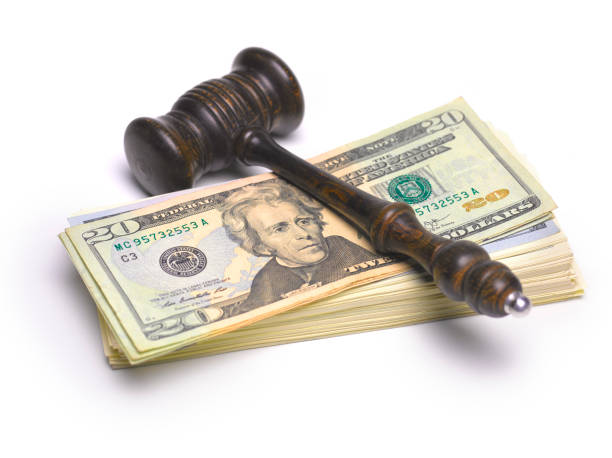
The short and unequivocal answer is yes, you can be sued for unpaid debt. When you borrow money or receive credit, you enter into a legal contract, whether formalized in writing or implied through your actions. Failing to fulfill the terms of that contract by not repaying what you owe gives the creditor the right to pursue legal action to collect the debt. This process is not an empty threat but a standard recourse within the financial and legal systems. However, the path from a missed payment to a courtroom judgment involves specific steps, timelines, and consumer protections that both debtors and creditors must navigate.
Initially, when an account becomes delinquent, the original creditor—such as a credit card company, bank, or medical provider—will typically engage in collection efforts through calls and letters. If these internal attempts fail, they may assign or sell the debt to a third-party collection agency. At any point during this process, the entity holding the debt has the legal right to file a lawsuit to obtain a court judgment against you. It is crucial to understand that being sued is not an automatic consequence of debt but a strategic decision by the creditor. They weigh the age and size of the debt against the cost and likelihood of successful collection. Generally, larger debts are more likely to result in litigation, though even smaller amounts can lead to a suit.
Receiving a court summons and complaint for a debt lawsuit is a serious matter that should never be ignored. If you fail to respond by the deadline—usually 20 to 30 days—the court will likely issue a default judgment in favor of the creditor. This judgment significantly strengthens the creditor’s position, transforming the debt from a contractual dispute into a court order. With a judgment in hand, the creditor can then seek to enforce it through mechanisms like wage garnishment, where a portion of your paycheck is withheld, or levying your bank account, allowing funds to be withdrawn directly. In some jurisdictions, they may even place a lien on your property, such as your home, which must be satisfied when the property is sold.
Despite this formidable process, you have important rights and defenses. First, the creditor must prove that the debt is valid, that they have the legal right to collect it, and that the amount is accurate. You have the right to demand this proof and to challenge the lawsuit. Common defenses include disputing the debt’s ownership, citing the statute of limitations, or highlighting errors in the amount claimed. Each state has a statute of limitations for debt collection, a legal time limit beyond which a creditor cannot successfully sue you. If the debt is older than this period, you can raise this as an absolute defense, though it is essential to appear in court to assert it. Furthermore, if the lawsuit arises from a debt that was incurred through identity theft or if you were never properly notified of the suit, you may have grounds to challenge the judgment.
Ultimately, while the threat of a lawsuit is real, it often represents a late stage in a protracted collection process. Proactive communication with creditors, seeking credit counseling, or exploring debt settlement options can sometimes prevent legal action. If you are sued, responding to the court is non-negotiable. Seeking advice from a consumer attorney or legal aid organization can provide critical guidance. The legal system provides a framework for creditors to seek redress, but it also mandates procedures and protections to ensure fairness. Ignoring the problem only leads to more severe financial and legal consequences, whereas understanding your liability and options is the first step toward resolving unpaid debt.