Navigating overwhelming debt can feel like being trapped in a financial labyrinth, and for-profit debt settlement companies often present themselves as a guiding light. However, their models, which frequently involve high fees, credit score damage, and no guaranteed results, leave many seeking safer, more reliable paths to solvency. Fortunately, several legitimate and often more effective alternatives exist for consumers struggling with unsecured debt, ranging from non-profit counseling to legal protections and strategic self-management.
One of the most accessible and reputable first steps is credit counseling through a non-profit agency. Approved by the U.S. Department of Justice, these agencies, such as those affiliated with the National Foundation for Credit Counseling, offer free or low-cost consultations with certified counselors. Unlike for-profit setters who negotiate to reduce debt principal, these counselors primarily focus on creating a sustainable budget and often recommend a Debt Management Plan. Under a DMP, the counselor works with creditors to secure lower interest rates and waived fees, consolidating payments into one affordable monthly sum paid to the agency, which then disburses funds to creditors. This structured approach prioritizes full repayment over time without the severe credit damage associated with settlement, as accounts are reported as “paid as agreed” upon completion.
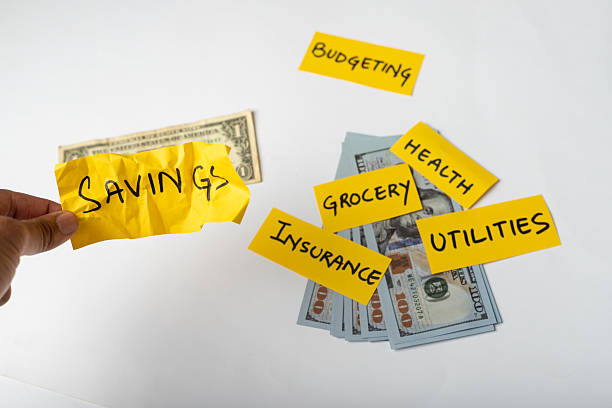
For those with a stable income but struggling with high-interest credit cards, a strategic do-it-yourself approach can be powerful. This begins with a rigorous personal budget to free up maximum funds for debt repayment. The “avalanche” method, targeting debts with the highest interest rates first while making minimum payments on others, mathematically saves the most money. Conversely, the “snowball” method, paying off the smallest balances first, can provide motivational wins. Individuals can also proactively contact creditors directly to request hardship programs, which may offer temporarily reduced interest rates or modified payment plans. Furthermore, a balance transfer to a card with a zero-percent introductory rate or a debt consolidation loan from a credit union at a lower fixed interest rate can simplify payments and reduce costs, provided one has the discipline not to accumulate new debt.
In cases of extreme financial hardship, bankruptcy remains a legal alternative and a constitutional right. While it carries significant long-term consequences for one’s credit profile, it offers a structured fresh start under court protection. Chapter 7 bankruptcy, or “liquidation,“ can discharge most unsecured debts like credit cards and medical bills, though it may involve the sale of non-exempt assets. Chapter 13 bankruptcy, or a “wage earner’s plan,“ allows individuals with regular income to restructure their debts into a three-to-five-year repayment plan, often for less than the full amount owed. Consulting with a qualified bankruptcy attorney is crucial to understanding eligibility and implications, as this option, while severe, can provide relief that settlement cannot, including an immediate halt to collection actions through an automatic stay.
Finally, for specific types of debt or unique situations, niche alternatives exist. Student loan borrowers have access to various income-driven repayment plans and forgiveness programs through federal loan servicers, options a for-profit company cannot provide. For individuals facing debt due to medical bills, non-profit patient advocacy groups can help negotiate costs directly with hospitals, which often have charity care programs for qualifying patients. Similarly, seeking advice from a fiduciary financial planner can yield personalized strategies that address the root causes of debt, such as spending habits or lack of emergency savings, rather than just the symptoms.
In conclusion, while for-profit debt settlement may appear as a quick fix, its risks are considerable. The landscape of debt relief is rich with more stable and consumer-friendly alternatives. From the guided structure of non-profit credit counseling and the disciplined empowerment of a DIY strategy to the legal fresh start of bankruptcy and targeted relief programs, these paths offer greater transparency, lower costs, and a higher probability of achieving lasting financial stability without sacrificing one’s financial future to uncertain and expensive third-party negotiations.