Carrying a high balance on your credit cards is one of the most direct and damaging actions you can take for your credit score. While many understand that missed payments hurt credit, the insidious impact of high revolving debt is often underestimated. The mechanism is not mysterious; credit scoring models, most notably FICO and VantageScore, are programmed to view high credit card utilization as a significant risk indicator. This directly lowers your score through several interconnected factors, primarily by drastically increasing your credit utilization ratio, which is the second most influential component of your credit score after payment history.
At the heart of the issue is your credit utilization ratio, which measures the amount of revolving credit you are using compared to your total available limits. For individual cards and in aggregate, this is expressed as a percentage. If you have a total credit limit of $10,000 across all cards and carry a $5,000 balance, your overall utilization is 50%. Scoring models interpret a high percentage as a signal of financial strain and potential overextension. The direct impact is substantial because these algorithms are designed to predict the likelihood of a borrower defaulting, and statistics consistently show that individuals using a large portion of their available credit are riskier. There is no universal threshold, but a common guideline is to keep utilization below 30%, with the most exceptional scores often residing in the single digits. As your balances creep upward, your score will respond in a nearly inverse manner, dropping incrementally with each percentage point increase.
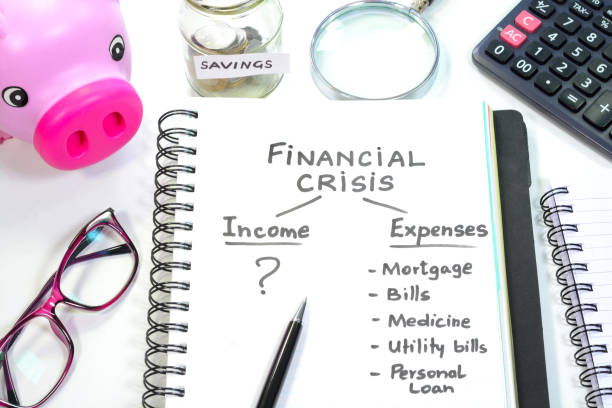
This direct relationship exists because high utilization suggests two negative scenarios to lenders. First, it implies you may be living beyond your means, relying on credit to fund your lifestyle because your income is insufficient to cover your expenses. Second, it reduces your financial flexibility. If an emergency arises, you have less available credit to handle it, increasing the chance you might miss payments on other obligations. The scoring models penalize this perceived risk. Furthermore, the impact is dynamic and recalculated every month based on the balances reported by your creditors. This means that even if you pay your bill in full every month, if your statement closes with a high balance, that high utilization is what gets reported to the credit bureaus and factored into your score. You could be a responsible payer but still suffer a lower score due to timing.
Beyond the overall utilization, high balances on individual cards also trigger specific alarms. Maxing out a single credit card, even if your overall utilization is moderate, can cause a score drop. Scoring models examine both aggregate and per-card behavior, and a card at or near its limit is a red flag. This granular analysis ensures that the risk associated with over-reliance on one particular line of credit is not masked by having other, untouched cards. Consequently, distributing debt can sometimes help, but the primary goal should always be to reduce the total outstanding balance.
The repercussions extend beyond just the utilization metric. Persistently high credit card debt can indirectly affect other score factors. For instance, if high minimum payments strain your budget, you may become more likely to make a late payment, which would then devastate your payment history—the most critical factor. Additionally, the stress of high debt may discourage you from applying for new credit, which can be beneficial for your credit mix and average account age over time. However, the most profound effect remains the direct, mathematical lowering of your score through the utilization calculation. In essence, high credit card debt sends a clear, negative signal to the algorithms that determine your creditworthiness, making you appear a riskier borrower and resulting in a lower three-digit number that can cost you significantly in higher interest rates for mortgages, auto loans, and even insurance premiums. The path to repair is straightforward, though not always easy: consistently paying down balances to lower that critical utilization ratio is the most effective way to reverse the damage and allow your score to recover.