Most people think of their housing situation as a separate part of life from the credit card bills or car payments that show up each month. In reality, debt and housing are deeply connected, and what happens in one corner of your financial life almost always spills into the other. Whether you are trying to buy your first home, rent a comfortable apartment, or just stay put without constant stress, the amount of debt you carry and how you manage it can quietly steer your options, raise your costs, or even put a roof over your head at risk. Understanding that connection puts you in control instead of leaving you surprised by a rejection letter, a higher interest rate, or a difficult choice you never saw coming.
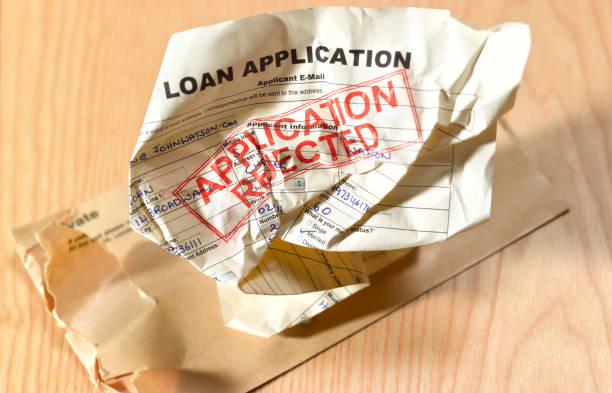
The most direct way debt affects your housing situation shows up the moment you try to qualify for a mortgage. Lenders do not simply look at your income and decide if you can afford a house. They calculate something called your debt-to-income ratio, which compares your monthly debt payments to your gross monthly income. If you are already sending a large chunk of your paycheck to student loans, auto loans, and credit card minimums, the math works against you. Even a solid salary can look stretched on paper when existing obligations eat up forty percent or more of your income. A high ratio can reduce the loan amount you qualify for or cause a denial altogether. Many middle-class buyers are startled to learn that paying off a single car loan or a couple of credit card balances might increase their home-buying budget by tens of thousands of dollars, simply because it frees up breathing room in that ratio.
Debt also reaches your housing plans through your credit score, which is heavily influenced by how you handle what you owe. Mortgage lenders and even many landlords check credit scores as a shortcut to gauge reliability. Carrying high balances relative to your credit limits, making late payments, or having collection accounts can drop your score enough to push you into a more expensive loan tier or make a property manager choose another applicant. The difference between a credit score of 680 and 740 may sound small, but over a thirty-year mortgage it can add up to tens of thousands in extra interest. In the rental market, a lower score often means paying a larger security deposit, needing a cosigner, or losing out on a place you really want. In tight housing markets, property owners often have multiple qualified applicants, so a mediocre score linked to debt struggles can quietly close doors before you ever get an explanation.
The burden does not stop once you have the keys. Carrying a lot of debt while paying a mortgage or rent introduces a constant squeeze that can change your daily experience of home. A mortgage payment that felt manageable during the application process can become a source of anxiety when a credit card balance grows or an unexpected medical bill arrives. You might find yourself making painful trade-offs, such as skipping necessary home maintenance, delaying repairs, or underinsuring your property because too much of your monthly cash flow is locked up servicing old debt. Over time, a house that is not properly maintained loses value and becomes more expensive to fix, creating a cycle that is hard to escape. Renters face a similar pressure. If too much of your paycheck is spoken for by debt payments, a rent increase or a change in your job situation can quickly make your current home unaffordable, forcing a move that comes with its own costs and disruptions.
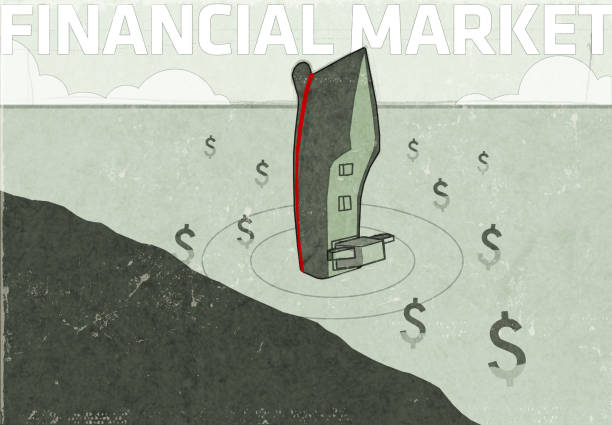
Debt can also threaten your housing stability in more dramatic ways. When money gets tight, people often prioritize paying the mortgage or rent, knowing that shelter comes first. But high-interest debts like credit cards have a way of muscling to the front of the line, especially when late fees and calls from collectors pile up. You might start borrowing from one source to pay another, or use a home equity line of credit to consolidate unsecured debt, which trades one problem for a much larger one: you are now risking your home if you cannot keep up with the new payments. In the worst cases, overwhelming debt forces people to sell a home they would rather stay in, or it contributes to missing payments and facing foreclosure or eviction. Even if you have never missed a housing payment, a foreclosure can happen when other debts consume so much of your income that the mortgage becomes impossible to sustain. The loss of a home is rarely a single missed check; more often it is the final chapter of a long story about debt that went unaddressed.
On the other side of the coin, being mindful about debt can create a remarkably solid foundation for your housing future. Keeping credit card balances low, paying installment loans on time, and avoiding the temptation to finance a lifestyle with borrowed money all build a credit profile that landlords and lenders welcome. The reward shows up in better mortgage rates, lower security deposits, and the ability to move when your life changes without being held back by your financial past. People who manage debt well also have more flexibility when housing opportunities arise, whether that means buying a home sooner, relocating for a better job, or helping a family member in need.
If you are worried that debt is already affecting your housing situation, the path forward begins with honest math. Gather your account statements and calculate exactly how much of your monthly income is committed to debt payments. Then look for practical adjustments, such as pausing discretionary spending for a few months to pay down one high-rate balance, calling your lenders to ask about hardship programs or lower interest rates, or talking with a nonprofit housing counselor who can help you prioritize without judgment. Small improvements in your debt-to-income ratio and credit score can shift the way lenders and landlords see you faster than many people expect. Even a few months of consistent, on-time payments and lower balances can change the narrative from risk to reliability.
Debt and housing are not two separate conversations. They are parts of the same financial picture, each influencing the other every single month. The good news is that you do not need to be debt-free to have a stable, comfortable housing situation. You simply need your debt to be manageable enough that it works around your housing goals rather than dictating them. By paying attention to how what you owe shapes where you live, you give yourself the power to make choices that protect both your home and your peace of mind. That is not about perfection; it is about awareness, planning, and acting before a manageable burden becomes a reason you cannot sleep at night.