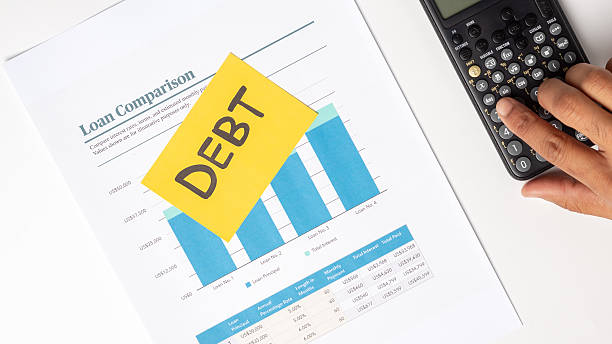
The realization that your essential expenses consistently surpass your income is a profoundly stressful and destabilizing experience. It is a financial red alert that signals a fundamental imbalance in your economic life, one that cannot be resolved through temporary cutbacks on discretionary spending like dining out or entertainment. This situation, often termed a “negative cash flow,“ means the very foundation of your budget is unsound, requiring immediate and strategic intervention to avoid a deepening cycle of debt, collection actions, and severe emotional distress. While daunting, this scenario is not insurmountable, and addressing it head-on with clear steps is the only path toward regaining stability.
The first and most critical action is to conduct a ruthless and meticulous audit of your finances. This involves tracking every single dollar of income and, more importantly, every single dollar of outflow for a full month. The goal here is absolute clarity. You must separate true “essential expenses” from those that are merely habitual. Essentials are typically defined as housing, utilities, basic groceries, minimum debt payments, and indispensable transportation to work. This scrutiny often reveals subscriptions that auto-renew unnoticed, insurance policies that can be shopped around, or grocery bills inflated by convenience foods. This process is not about judgment but about gathering the factual data required to make informed decisions. You cannot manage what you do not measure.
With a clear financial picture in hand, the next phase involves a two-pronged attack: aggressively reducing expenses and creatively increasing income. On the expense side, this moves beyond canceling streaming services. It requires proactive and often uncomfortable communication. Contact your mortgage servicer, landlord, or utility companies to explain your situation and inquire about hardship programs, payment plans, or restructuring options. Similarly, reach out to creditors to negotiate lower interest rates or modified payment terms. For groceries, embrace meal planning, bulk buying of staples, and community resources like food pantries without shame. Consider drastic but temporary measures like downsizing your housing, selling a vehicle with a high payment, or pausing retirement contributions to stop the immediate financial bleeding.
Concurrently, you must explore every avenue to boost your income. This could mean pursuing overtime, asking for a raise based on your value, or taking on a side hustle such as freelance work, rideshare driving, or selling unused items. In some cases, a more significant career change or obtaining new certifications for a higher-paying field may be the long-term solution. The key is to treat increasing your income with the same urgency as cutting costs. Relying solely on austerity is often unsustainable; bridging the gap usually requires action on both sides of the ledger.
If these self-directed steps are insufficient, seeking professional help is a sign of wisdom, not weakness. Non-profit credit counseling agencies, such as those affiliated with the National Foundation for Credit Counseling, can provide free or low-cost advice. A certified counselor can help you create a realistic budget, negotiate with creditors on your behalf, and may recommend a Debt Management Plan to consolidate unsecured debts into a single, lower-interest payment. In extreme cases, consulting with a bankruptcy attorney to understand your options may be necessary. Bankruptcy is a serious legal tool with long-lasting consequences, but it exists precisely to provide a fresh start for those overwhelmed by insurmountable debt.
Ultimately, when expenses outpace income, the path forward is built on a foundation of radical honesty, deliberate action, and resilience. It demands that you confront your financial reality without illusion and prioritize your physiological and safety needs above all else. The process is arduous and often humbling, but each step taken—from a negotiated bill to an extra paycheck—reclaims a measure of control. By systematically closing the gap between what you earn and what you must spend, you move from a state of constant financial crisis to one of cautious stability, and eventually, toward a future where your income not only meets your needs but also allows you to rebuild and thrive.