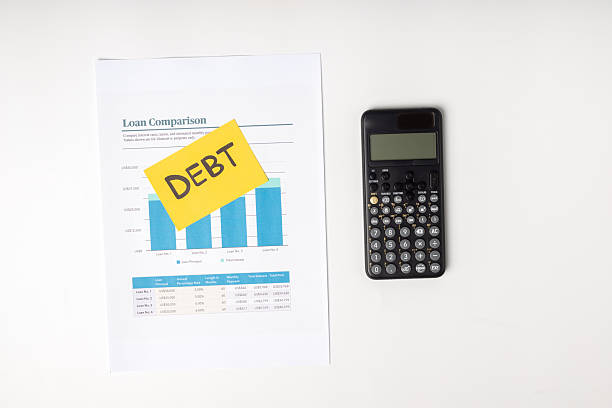
The relationship between overextended personal debt and revolving credit is one of profound interdependence, where a financial tool designed for convenience can become the very engine of entrapment. Revolving credit, primarily in the form of credit cards and lines of credit, offers unparalleled flexibility: a reusable pool of funds that can be tapped into and paid down repeatedly. However, this very flexibility is what makes it uniquely dangerous, facilitating a gradual and often imperceptible slide into financial quicksand that is exceedingly difficult to escape.
The peril of revolving credit lies in its structural invitation to carry a balance. Unlike an installment loan with a fixed payoff date, revolving accounts allow for minimum payments that are often a small fraction of the total owed. This creates an illusion of affordability, masking the true long-term cost. A borrower focused on meeting the minimum payment may fail to recognize how little progress is being made against the principal balance, as the majority of their payment is consumed by compounding interest. This transforms a short-term loan into a perpetual, expensive financial burden.
This dynamic is exacerbated by high credit limits, which can foster a false sense of security and spending capacity. The availability of unused credit can feel like a safety net, encouraging individuals to finance lifestyle choices or cover budget shortfalls without immediate consequence. However, as utilization increases—the ratio of balance to limit—credit scores begin to fall, and financial flexibility diminishes. The individual becomes trapped; the high-interest debt is difficult to transfer to a lower-rate product because their creditworthiness has been damaged by the very debt they seek to escape.
Consequently, revolving credit can create a self-perpetuating cycle of dependency. The high monthly interest charges consume disposable income, forcing the borrower to rely further on credit for everyday expenses, which in turn increases the balance and the interest charged. Breaking this cycle requires a fundamental shift in behavior: ceasing new charges, committing to payments far exceeding the minimum, and often seeking structured help through counseling or consolidation. Ultimately, revolving credit is a double-edged sword; its power for good is entirely contingent on the user's discipline to treat it not as an extension of income, but as a liability that must be settled in full.