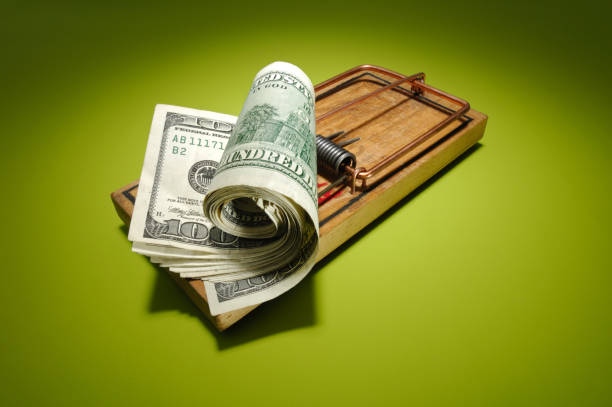
When most people think about overextended debt, they picture credit cards, car loans, or mortgages. But one of the most common and dangerous forms of overextended debt is the kind that shows up on your kitchen table every month: utility bills. Gas, electricity, water, internet, and phone services seem like fixed costs you can always manage. Yet for the middle-class consumer, these small bills can become a quiet trap that leads to serious financial trouble.
The problem with utility debt is that it builds slowly, often without any single shocking moment. You miss one payment because of an unexpected car repair. The utility company sends a reminder notice, but you pay it two weeks late. Next month, the bill is higher because of a heatwave, so you pay half of it and plan to catch up. Before you know it, you have three months of unpaid balances, late fees, and a growing sense of dread every time you open the mail.
Utility companies are not like credit card issuers. They have a service you depend on to run your life, and they can cut that service off. This power makes them aggressive collectors. Once an account is thirty days past due, most utilities charge a late fee, often between five and fifteen dollars. That does not sound like much, but it adds up quickly. After sixty days, you may face disconnection notices, reconnection fees, and security deposits required to restore service. These administrative costs pile onto the original debt, making it significantly larger than the amount you originally owed.
For a middle-class household, the real danger is that utility debt is invisible to most credit monitoring tools unless it goes to a collection agency. Many people do not realize their unpaid electric bill is damaging their credit until they apply for a mortgage or a car loan. At that point, the damage is already done. A utility delinquency that gets sent to collections can drop a credit score by one hundred points or more. This is not because the debt is large. It is because utilities are considered essential services, and lenders view unpaid essential bills as a serious sign of financial distress.
Another hidden cost is the financial spiral utility debt creates. When a household falls behind on gas or electric bills, they often juggle money between other obligations. They may pay the utility late, then miss a credit card payment, then borrow from a relative to cover the cable bill. This cycle of shifting money around creates chaos in your budget. You are no longer planning your spending. You are reacting to whatever bill is most urgent that day. That is the definition of being overextended.
The good news is that utility debt is often the most solvable kind of overextension if caught early. The key is to stop treating utility bills as optional. They are not like streaming subscriptions or dining out. You cannot negotiate with the power company the way you can with a credit card company. You cannot pause your water service for two months to save money. These are non-negotiable expenses that must be paid on time every month, even if that means cutting something else.
If you are already behind, do not ignore the letters. Most utility companies have payment plans specifically designed for customers who are struggling. These plans allow you to spread the past-due amount over several months, often without additional fees. The catch is that you must contact them before the account is sent to collections. Once a debt is handed over to a third-party collector, your options narrow dramatically.
Another practical step is to enroll in automatic payment through your bank. This removes the human error of forgetting to send a check or paying on the wrong day. Even if you are on a tight budget, automating a fixed amount for utilities ensures you never miss a payment. If your budget is too tight to automate the full amount, contact the utility company and ask about budget billing. This averages your annual usage into a stable monthly payment, eliminating the shock of high summer or winter bills.
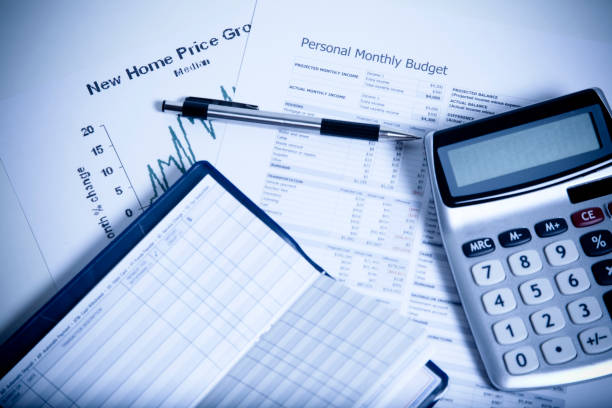
Finally, consider utility debt as a canary in the coal mine for your overall financial health. If you are struggling to pay for heat or electricity, it is a sign that your monthly expenses exceed your income. This is not a problem you can fix by working harder or sacrificing more. It requires a real look at your budget and, in many cases, a conversation with a nonprofit credit counselor who can help you restructure all your debts, not just the utility bills.
The reality is that utility and services debt is one of the most common entry points into overextension for the middle class. It starts small, feels temporary, and often goes unnoticed until it has already done real damage. But by treating these bills with the seriousness they deserve and acting quickly when you fall behind, you can prevent a minor slip from turning into a major credit crisis.