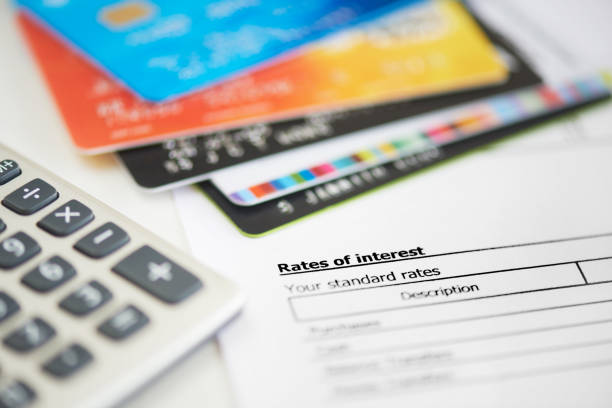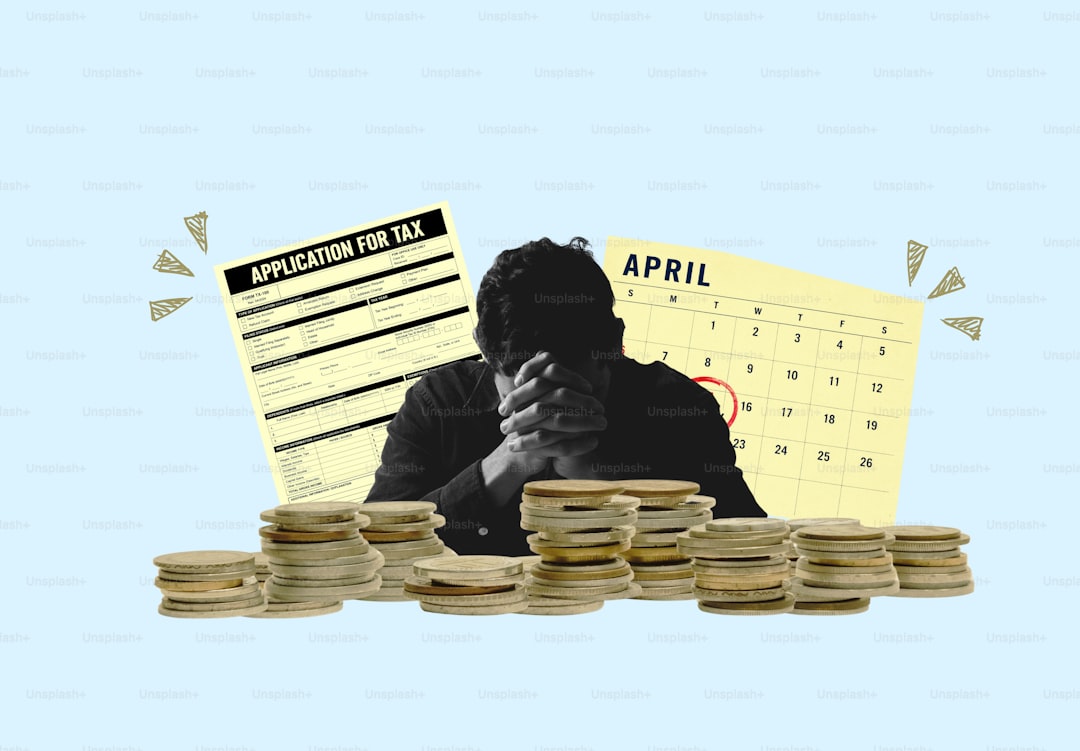
If you are struggling with credit card bills, personal loans, or medical debt, you have probably seen the advertisements. A friendly voice promises to cut your debt in half. You just need to stop paying your bills and let their experts negotiate with your creditors. It sounds like a simple fix for a stressful situation. For many middle-class consumers, this offer is tempting. But before you sign up with a for-profit debt settlement company, you need to understand how the process actually works and the serious risks you are taking on.
Debt settlement companies are private businesses that charge you a fee to negotiate with your creditors. The basic idea is straightforward. Instead of making payments to your credit card companies, you send money each month to the settlement company. They hold your payments in a special savings account. Once you have saved enough money, they try to call your creditors and offer a lump sum that is less than what you owe. If the creditor agrees, you pay the lower amount and your debt is considered settled.
On paper, this can look like a good deal. The company might promise to reduce your total debt by forty or fifty percent. But the reality is much more complicated and dangerous than the advertisements let on.
The first major risk is that debt settlement does not work for most people who try it. Government studies have shown that a large majority of consumers who enroll in these programs never actually settle their debts. They drop out of the program before a settlement is reached. When you drop out, you have already paid significant fees to the company, and you are left in a worse financial position than when you started. Your fees are often calculated as a percentage of the debt you enrolled, not the debt that was successfully settled. This means the company gets paid whether or not they actually help you.
The second risk is the damage to your credit score. Debt settlement companies instruct you to stop paying your creditors entirely. This is a central part of their strategy. They need your creditors to be worried about getting paid at all. But when you stop making payments, your accounts become delinquent. Late payments are reported to the credit bureaus. Your credit score drops dramatically. It is not unusual for a person in a settlement program to see their credit score fall by more than one hundred points. This damage can take years to repair. It affects your ability to rent an apartment, get a car loan, or even qualify for a new job.
The third risk involves taxes and lawsuits. When a creditor agrees to settle a debt for less than the full amount, the portion of the debt that was forgiven is often considered taxable income by the Internal Revenue Service. You may receive a tax form called a 1099-C at the end of the year, and you will owe income tax on the money you did not have to repay. This is a surprise that many people do not anticipate. Even more concerning, there is no guarantee that your creditors will wait for the settlement company to negotiate. While you are not paying your bills, creditors can sue you to collect the debt. If they win a judgment, they may be able to garnish your wages or freeze your bank account. The debt settlement company cannot stop a lawsuit.
Another issue is the fee structure itself. The federal government has put some regulations in place to protect consumers, but the fees are still high. A settlement company might charge you an upfront fee to start the program, though this is now illegal in many cases. They also charge monthly service fees and a final fee that is a percentage of the amount of debt they saved you. These fees can eat up a large portion of the savings you expected to get.
For a middle-class consumer who is already under financial stress, these risks are too high. The promise of a quick solution often leads to a longer and more painful recovery. There are better options available that do not involve giving control of your finances to a for-profit business that profits whether you succeed or fail.
A better first step is to talk directly to your creditors yourself. Many credit card companies have hardship programs for customers who are struggling. They may be willing to lower your interest rate, waive late fees, or set up a reduced payment plan. You do not need a middleman for this. You can call the number on the back of your credit card and explain your situation. The worst they can say is no.
Another option is to work with a nonprofit credit counseling agency. These organizations are different from for-profit debt settlement companies. They are funded by grants and by the credit card companies themselves. Their counselors are trained to help you build a budget and manage your debts. If you need more help, they can enroll you in a debt management plan. This is a formal arrangement where you make one monthly payment to the counseling agency, and they distribute the money to your creditors. The agency may be able to negotiate lower interest rates and waive fees on your behalf. This process does not require you to stop making payments or damage your credit score. It is a slower process than settlement, but it is safer and more reliable.
Debt is a heavy burden, and the desire for a fast escape is understandable. But the for-profit debt relief industry is built on that desire. The companies know you are scared and looking for help. They present themselves as your ally, but their business model depends on you staying in the program long enough to pay their fees, whether or not your debts ever get settled. Protecting yourself means being skeptical of promises that sound too good to be true. It means taking the time to understand the risks before you sign any agreement. And it means knowing that the safest path out of debt is usually the one you walk yourself, with guidance from a reputable nonprofit that has no financial stake in your failure.