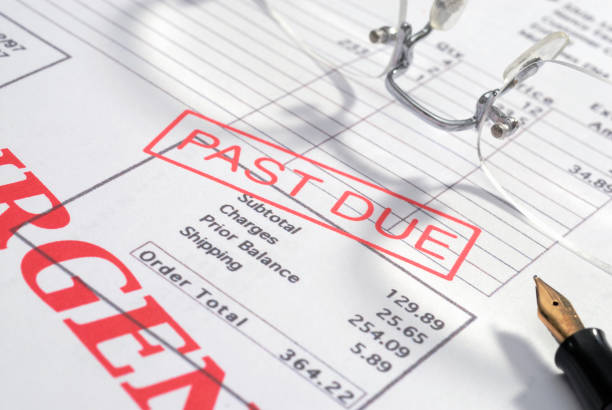
Many middle-class consumers carry credit card balances. When the bill arrives, the statement shows a small minimum payment amount. It often seems reasonable, maybe twenty-five or fifty dollars. Paying that minimum feels like you are keeping up with your obligations. But this practice, repeated month after month, is one of the most common ways that financial illiteracy leads to long-term debt. Understanding how minimum payments work is essential for anyone who wants to manage credit wisely and avoid paying far more than they borrowed.
The idea behind minimum payments is straightforward. Credit card companies calculate a small percentage of your total balance, typically around one to three percent, plus any fees or interest. They set this number low enough that you can afford it, but high enough to cover the interest charges. The trap is that this amount barely makes a dent in the principal, which is the actual money you spent. Most of your payment goes toward interest, not the debt itself. As a result, your balance shrinks very slowly. If you only pay the minimum, a two-thousand-dollar purchase on a card with a twenty percent annual percentage rate could take over twenty years to pay off. During that time, you would pay more than the original purchase in interest alone.
Financial illiteracy is at the root of this problem. Many people do not realize how credit card interest is compounded. They see the minimum payment as a convenient option, not a warning sign. They may think that as long as they pay something, they are handling their credit well. But credit card companies profit from this confusion. They design the minimum payment to keep you in debt for as long as possible. This is not a secret, but it is rarely explained in clear terms to consumers. Without a basic understanding of interest rates and how they accumulate, it is easy to fall into the minimum payment trap.
Another factor is the psychological comfort of a low payment. When you are short on cash, paying the minimum feels like a responsible choice. You avoided a late fee and kept your credit score intact. The problem is that this short-term relief creates long-term financial strain. Over months and years, the debt grows because the interest keeps piling on top of the unpaid balance. Many middle-class consumers find themselves trapped in this cycle. They make only minimum payments on multiple cards, and soon their income is mostly going toward interest. This leaves less money for savings, emergencies, or even everyday expenses. The irony is that the minimum payment option, which was supposed to help you manage your cash flow, actually makes it harder to get ahead.
To escape this trap, you need financial literacy. That means understanding the math behind your debt. For example, if you have a five-thousand-dollar balance at eighteen percent interest and your minimum payment is two percent of the balance, your first payment will be about one hundred dollars. But roughly seventy-five dollars goes to interest, and only twenty-five reduces the principal. At that rate, it would take more than thirty years to pay off the debt if you never made an extra payment. When you see the numbers clearly, the minimum payment stops looking like a good deal. It becomes clear that paying more than the minimum, even an extra twenty or fifty dollars a month, can cut years off your repayment timeline and save you hundreds or thousands of dollars.
Financial illiteracy is not about being unintelligent. It is about not having been taught the basics of how money and credit work. Schools rarely cover personal finance in depth, and credit card companies do not advertise the downsides of minimum payments. As a result, many well-educated, hardworking consumers make decisions based on incomplete information. They believe they are managing credit responsibly when, in fact, they are digging a deeper hole. The solution is to educate yourself. You do not need to become an expert. Just learning how interest compounds and committing to pay more than the minimum can make a huge difference.
If you currently pay only the minimum, consider making a change. Look at your statement to see the annual percentage rate and the minimum payment formula. Then calculate how long it will take to pay off the balance at that rate. The result may be shocking. Then decide to pay a fixed amount each month that is higher than the minimum. Even a small increase accelerates your progress. Also, consider transferring high-interest balances to a card with a zero-percent introductory offer, but only if you are disciplined enough to pay it off before the promotion ends. Finally, avoid charging new purchases on a card you are trying to pay down. The most powerful tool against financial illiteracy is knowledge. Once you understand the real cost of minimum payments, you can take control of your credit and your future.