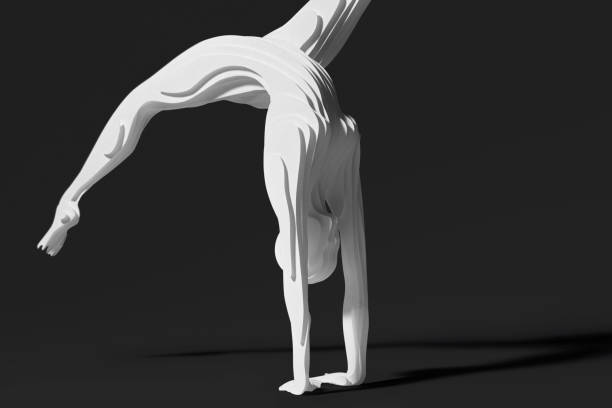
The pursuit of mental health often leads us inward, to therapists’ offices, meditation cushions, and the pages of self-help books. Yet, a profound and frequently overlooked path to psychological resilience lies in the physical realm, specifically in the simple, powerful act of regaining flexibility. This journey of lengthening muscles and expanding range of motion transcends mere physical utility; it becomes a potent metaphor and a direct physiological intervention, offering a unique key to unlocking mental clarity, emotional regulation, and a renewed sense of self.
At its core, the process of improving flexibility demands mindfulness and present-moment awareness. As one gently eases into a stretch, the mind must focus on the subtle sensations of the body—the point of resistance, the rhythm of the breath, the slow release of tension. This act is a form of moving meditation, forcibly drawing attention away from the cyclical anxieties of the past or future and anchoring it in the immediate, tangible experience of the body. In a world saturated with digital distractions and chronic stress, this practice of somatic awareness creates a vital sanctuary of calm. The focused breathing that accompanies effective stretching further enhances this effect, activating the parasympathetic nervous system and signaling to the body that it is safe to rest and digest, directly counteracting the fight-or-flight response that underpins so much anxiety.
Moreover, the physical sensations of tightness and release are deeply intertwined with our emotional landscape. The body stores stress and trauma, often manifesting as physical rigidity—a clenched jaw, tight shoulders, or a stiff back. Consistently working to regain flexibility involves consciously engaging with these held patterns of tension. The gradual melting of physical stiffness can feel like an emotional unburdening, as if the knots of worry and stored stress are being literally unraveled. This somatic release can lead to a palpable lightening of one’s mental load, providing a direct, non-verbal pathway to emotional catharsis that talk therapy alone may not access. The body, in its newfound suppleness, communicates a message of safety and openness to the mind.
Beyond the immediate sensory experience, the journey of regaining flexibility rebuilds a foundational relationship with one’s own body. Chronic pain, sedentary lifestyles, or aging can foster a sense of disconnection or even adversarial feelings toward one’s physical self. The deliberate, patient work of increasing flexibility re-establishes a dialogue. Small victories—touching one’s toes, achieving a deeper squat, or simply moving with less discomfort—are not just physical milestones but powerful psychological boosts. They cultivate self-efficacy, the belief in one’s ability to influence outcomes. This renewed sense of agency and accomplishment directly combats feelings of helplessness and builds resilience that permeates all aspects of life.
Finally, enhanced flexibility inherently expands one’s physical freedom, which in turn expands one’s sense of possibility. A body that moves with greater ease is a body more inclined to engage with the world—to go for a walk, try a new activity, or simply rise from a chair without strain. This increased capacity for movement fosters a more active and engaged lifestyle, which is a well-documented pillar of good mental health. The psychological state shifts from one of limitation and avoidance to one of capability and participation. The flexible body becomes a vehicle for experience rather than a container of constraints, directly uplifting mood and outlook.
In essence, regaining flexibility is far more than a physical tune-up. It is a holistic practice that trains the mind in mindfulness, facilitates the release of stored emotion, rebuilds a compassionate body image, and restores a sense of liberating potential. It demonstrates, in the most direct way possible, that caring for the body is an indispensable act of caring for the mind. By stretching our physical limits, we create space—not just in our muscles and joints, but within our own minds—for greater peace, resilience, and joy.