In the complex landscape of personal finance, the specter of overextension—borrowing beyond one’s means to repay—looms as a persistent threat to financial stability. While many factors contribute to this condition, a powerful yet often overlooked defensive strategy lies in the simple, regular review of one’s credit report. This habitual act of financial self-awareness serves as a critical early warning system, a mirror to one’s fiscal habits, and a foundational tool for disciplined money management, thereby directly preventing the slide into unsustainable debt.
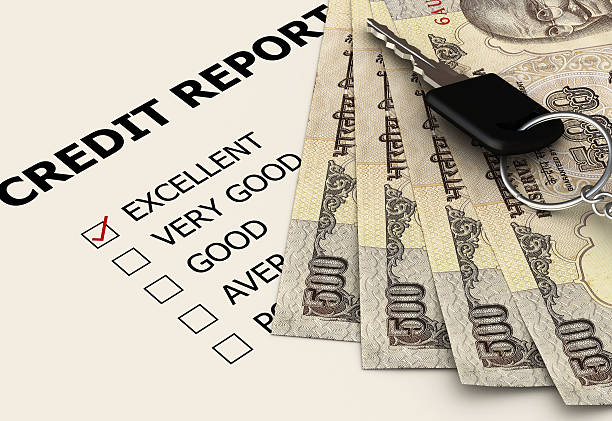
Fundamentally, regularly checking your credit report provides an objective, comprehensive snapshot of your entire credit landscape. This document is not merely a score but a detailed ledger of every open account, its balance, credit limit, and payment history. By examining this report quarterly or at least annually, you move from a vague sense of your obligations to a precise understanding of them. You can see the total sum of your available credit juxtaposed against the amounts you have already utilized. This clarity is the first and most crucial step in prevention; you cannot manage what you do not measure. Seeing all debts consolidated in one place often reveals a sobering reality that monthly statements viewed in isolation can obscure, prompting corrective action before your credit utilization ratios climb into dangerous territory that signals overextension to both you and potential lenders.
Beyond mere awareness, this regular audit acts as a proactive guard against errors and fraud, which are insidious catalysts for overextension. Credit reports can contain inaccuracies, such as accounts mistakenly reported as open, incorrect balances, or payments wrongly marked as late. More nefariously, identity theft can result in fraudulent accounts opened in your name, silently maxing out your credit profile without your knowledge. Both scenarios artificially inflate your perceived debt burden, can lower your credit score, and may tempt you to seek additional credit to cover real expenses while you are unwittingly already extended. By reviewing your reports frequently from the three major bureaus, you can dispute errors and freeze your credit in case of fraud promptly, ensuring your report accurately reflects your true financial commitments. This maintenance keeps your credit health intact and prevents you from becoming overextended due to factors outside your genuine spending.
Perhaps most importantly, the ritual of checking your credit report cultivates a mindset of intentional financial stewardship. It transforms credit from an abstract concept into a tangible record of one’s financial choices. Observing how specific spending behaviors directly impact your report—like watching a balance creep upward or a hard inquiry appear after a new credit application—creates a powerful feedback loop. This process encourages mindfulness before taking on new debt. When considering a new loan or credit card, the knowledge that this decision will be indelibly recorded on your next report encourages a more deliberate evaluation: “Is this necessary, and can I manage this payment alongside my existing obligations?“ This habitual reflection is the antithesis of impulsive borrowing, systematically building a barrier against incremental overextension.
In essence, regularly checking your credit report is a practice in financial mindfulness and preemptive defense. It replaces uncertainty with data, combats hidden threats of error and fraud, and fosters a disciplined, accountable approach to borrowing. This ongoing engagement ensures that your use of credit remains a tool for building financial life, rather than a chain of obligation. By making this review a consistent habit, you empower yourself with the knowledge needed to navigate the credit system confidently, ensuring your debts remain within the sustainable bounds of your economic means and long-term goals.