You finally get that raise you have been waiting for. Maybe it is a promotion at work, a new job offer, or a side business that starts taking off. The first thing you want to do is celebrate. You deserve it. You upgrade your apartment. You buy a nicer car. You start eating out at better restaurants. This feels good because you worked hard for it. But there is a hidden danger in this moment that financial experts call the savings trap, and it is one of the most common ways middle-class consumers accidentally damage their credit and their long-term financial health.
The savings trap happens when your spending rises to meet your new income level, but your savings and debt payments do not adjust properly. You might think you are better off because you are making more money. In many cases, though, you actually end up with less financial room to breathe. Here is how it works. When your income goes up by one thousand dollars a month, you feel richer. You start spending an extra eight hundred dollars a month on lifestyle upgrades. That leaves you with only two hundred dollars in additional savings. But your credit card limits might stay the same. Your monthly debt obligations might stay the same. Your car payment or rent might actually go up because you decided to get something nicer. Before you know it, you are using your credit cards more often to cover the gap between your paychecks and your new expenses.
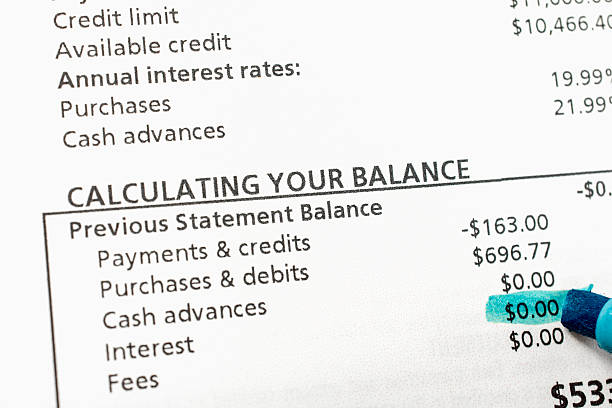
This directly affects your credit utilization ratio, which is one of the most important numbers in your credit score. Your credit utilization ratio is the amount of credit you are using divided by the amount of credit you have available. If you have a total credit limit of ten thousand dollars across all your cards and you are carrying a balance of three thousand dollars, your utilization rate is thirty percent. Financial experts generally recommend keeping this number below thirty percent. The lower it is, the better for your credit score. When you fall into the savings trap, you might start carrying higher balances because your new lifestyle costs more than you expected. Maybe your old car worked fine, but now you have a six hundred dollar monthly payment instead of a paid off vehicle. Maybe your old apartment was small but affordable, and now you are spending an extra five hundred dollars a month on rent. These changes creep up on you.
The real danger is that lifestyle inflation does not feel like inflation at all. It feels like progress. You are not buying luxury items you cannot afford. You are just living a little better. But that little better adds up fast. Suddenly, you find yourself needing to put groceries on a credit card at the end of the month because your bank account ran dry. You tell yourself you will pay it off next month when your next paycheck comes. But next month brings more expenses. The balance grows. Your credit utilization climbs. Your credit score drops. And the worst part is you are making more money than ever before.
Another consequence of the savings trap is that it makes you more vulnerable to emergencies. When your paycheck was smaller, you might have had a small emergency fund that could cover a car repair or a medical bill. Now that you are spending more, that emergency fund might have shrunk or disappeared. One unexpected expense can force you to put a large charge on a credit card. That single charge can push your utilization over the thirty percent threshold, especially if you are already carrying some balance from lifestyle spending. A single emergency can set off a chain reaction that hurts your credit for months or even years.
The solution is not to avoid spending your money on things you enjoy. You worked hard for that raise. You should be able to enjoy some of the fruits of your labor. The key is to set up a system before the new money starts flowing in. When you know a raise or bonus is coming, decide in advance how much of it you will spend and how much you will save or use to pay down debt. A good rule of thumb is to save at least half of any new income. That means if you get a thousand dollar raise, you commit to increasing your savings or debt payments by five hundred dollars. The other five hundred is yours to spend however you want. This protects your credit because it keeps your spending from running away from your income. It also builds a buffer that protects you from emergencies.
Many people who fall into the savings trap do not realize they are in it until their credit score drops or they get denied for a loan. By then, the damage is done. The best time to protect yourself is before the lifestyle changes happen. Think about what happens when your income grows. Think about how quickly small upgrades add up. If you keep your fixed costs low even when you earn more, you give yourself financial freedom and a strong credit profile. The savings trap is not about being cheap. It is about being smart enough to enjoy today without stealing from your future.