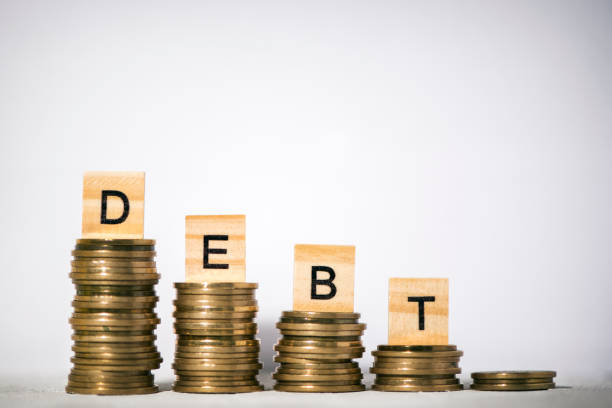
In the landscape of personal finance, where multiple monthly payments can create a labyrinth of due dates and interest rates, debt consolidation emerges as a strategic approach to simplify and manage overwhelming obligations. At its core, debt consolidation is the process of combining several existing debts—such as credit card balances, medical bills, or personal loans—into a single, new loan or payment plan. The primary objectives are to secure a lower overall interest rate, reduce the number of monthly payments to one, and create a clearer, more manageable path to becoming debt-free. It is not a magic eraser for debt but rather a restructuring tool that can make repayment more efficient and less stressful.
The mechanics of debt consolidation are relatively straightforward, though they require careful consideration. An individual takes out a new loan, often called a consolidation loan, which is used to pay off the various existing creditors in full. This leaves the borrower with just one loan to repay, typically with a fixed interest rate and a fixed monthly payment over a set term. This new loan can come from several sources. A common method is through a personal loan from a bank, credit union, or online lender. Alternatively, homeowners might utilize a home equity loan or a home equity line of credit (HELOC), using their property as collateral. Another widespread form is a balance transfer credit card, which offers a low or zero percent introductory interest rate for a period, allowing debt to be moved from high-interest cards onto one new card.
The potential benefits of this financial strategy are significant and explain its popularity. Firstly, simplification is a major advantage. Managing one payment on a single date each month reduces the risk of missed payments, which can incur late fees and damage credit scores. Secondly, and most crucially for long-term savings, is the opportunity to lower the cost of borrowing. By securing a consolidation loan with an interest rate lower than the average rate across all existing debts, the borrower pays less in interest over time. This can accelerate the payoff timeline or, at the very least, make monthly payments more affordable. Furthermore, the psychological benefit cannot be overstated. Transforming a chaotic pile of bills into a single, structured plan can alleviate anxiety and provide a renewed sense of control over one’s financial future.
However, debt consolidation is not a one-size-fits-all solution and carries inherent risks that must be soberly evaluated. Perhaps the greatest danger is the illusion of solved problems. If the underlying spending habits that created the debt are not addressed, individuals may find themselves with a new consolidation loan and freshly maxed-out credit cards, plunging them into a deeper financial hole. Additionally, some consolidation methods, particularly those using home equity, put assets like a house at risk if payments cannot be maintained. Balance transfer cards often feature steep fees and revert to very high interest rates after the promotional period ends, which can backfire if the debt is not paid off in time. There may also be origination fees for personal loans, and extending the loan term to achieve a lower monthly payment can result in paying more interest over the life of the loan, even at a lower rate.
Ultimately, debt consolidation is a powerful financial tool best suited for disciplined individuals with a stable income. It is most effective for those committed to changing their financial behaviors and who can qualify for terms that genuinely improve their situation. It is not a substitute for debt reduction but a facilitator of it. Before pursuing this route, a thorough review of all debts, interest rates, and personal budgeting habits is essential. For many, consulting with a non-profit credit counselor can provide an objective analysis and help determine if a debt management plan, which is distinct from a loan, might be a better alternative. When used wisely, debt consolidation can transform a tangled web of financial stress into a straight, navigable road toward solvency and peace of mind.