Carrying student loan debt is a significant financial responsibility, and it is natural to question whether adding a credit card to the mix is a wise move. The instinct to avoid further debt is commendable. However, when managed responsibly, obtaining a credit card can be a beneficial financial tool, even while paying off student loans. The key distinction lies in understanding that student loans and credit cards serve different purposes in your financial ecosystem. Your student loans are an investment in your future earning potential, often with fixed, relatively low-interest rates and structured repayment plans. A credit card, conversely, is a tool for managing cash flow and building a financial reputation—your credit history—which will be crucial for your post-graduate life.
The most compelling reason to consider a credit card is to build a positive credit history. Your student loans likely already contribute to this, but credit scoring models value a “mix” of credit types. Responsibly using a credit card—by making small, regular purchases and paying the statement balance in full and on time every month—demonstrates to lenders that you can manage revolving credit. This responsible behavior directly builds your credit score. A strong credit score will not only help you qualify for better rates on future loans, like a car or mortgage, but it can also lead to lower insurance premiums, better rental opportunities, and even affect employment prospects in some fields. Essentially, you are using the card as a strategic tool to prove your reliability, not as a source of long-term financing.
Furthermore, a credit card offers practical protections and conveniences that debit cards or cash do not. They provide a buffer against fraud, as you are disputing the bank’s money rather than your own direct checking account funds. Many cards also offer benefits like purchase protection, extended warranties, and rewards on everyday spending. Used wisely, these perks can provide tangible value. For instance, using a card for predictable expenses like groceries or gas, and immediately paying it off, can earn cash back or points without incurring interest. This disciplined approach turns a potential debt trap into a modest financial asset. It also helps with budgeting, as your monthly statement provides a clear record of discretionary spending.
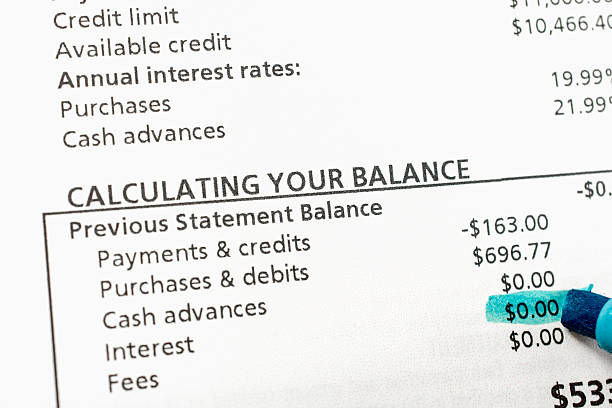
However, this strategy hinges entirely on one non-negotiable rule: you must pay your statement balance in full each month. Carrying a balance on a credit card, where interest rates are often five times higher than federal student loans, is where the danger lies. The high-cost revolving debt from a credit card can quickly spiral out of control and derail your student loan repayment plan. If you have any doubt about your ability to resist overspending or to pay the balance completely, then postponing getting a card is the safer choice. The potential damage to your credit score from missed payments or high credit utilization would far outweigh any benefits.
Therefore, the answer is not a simple yes or no. It is a conditional yes, based on your financial discipline. If you can commit to using the card as a substitute for cash, not a supplement to income, and pay it off religiously, then a credit card can be a powerful step toward financial independence, even with student loans. It allows you to build credit, gain valuable consumer protections, and earn rewards, all while your student loans remain a separate, long-term installment debt. Start with a single card with no annual fee, use it for minimal, planned expenses, and set up automatic payments from your checking account to avoid ever missing a due date. By doing so, you transform the credit card from a perceived risk into a foundational tool for securing a stronger financial future, demonstrating that managing different types of credit responsibly is a hallmark of financial health.