If you are like most middle-class consumers, you probably think your credit score is the single most important factor when you apply for a mortgage, car loan, or personal loan. While your credit score does matter, there is another number that lenders often care about just as much, if not more. That number is your payment-to-income ratio, or PTI. Understanding what PTI is and how it works can help you get approved for better loans, lock in lower interest rates, and avoid taking on more debt than you can handle.
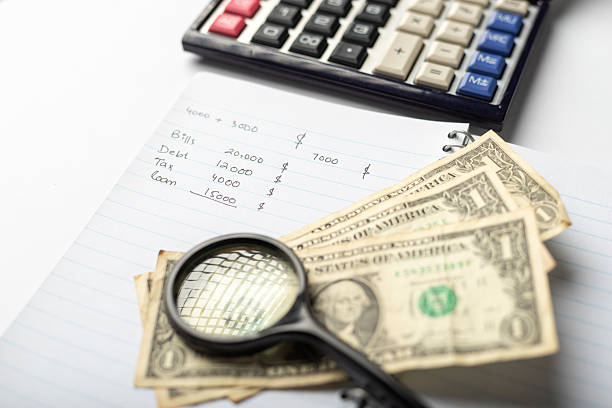
Your payment-to-income ratio is simple to calculate. You add up all of your regular monthly debt payments and divide that total by your monthly gross income, which is what you earn before taxes and other deductions. For example, if you pay one thousand dollars each month toward credit cards, a car loan, and student loans, and you earn five thousand dollars per month before taxes, your PTI is twenty percent. Lenders use this number to decide whether you can comfortably afford a new monthly payment on top of your existing obligations. The lower your PTI, the more room you have to take on new debt. The higher it is, the more likely lenders will see you as a risk.
Many people focus almost entirely on their credit score, but the PTI tells a different story. Your credit score reflects how reliably you have paid past bills. Your PTI reflects your current ability to pay new ones. A person with a perfect credit score but a very high PTI might be denied a loan because the lender sees that individual as already stretched too thin. On the other hand, someone with a so-so credit score but a very low PTI might get approved because their income leaves plenty of space for a new payment. For middle-class consumers, this distinction is crucial. You can have good credit and still get turned down if your existing debt load is too heavy.
Lenders typically look for a PTI that falls below a certain threshold. For mortgages, many lenders want your total monthly housing payment, including principal, interest, taxes, and insurance, to be no more than twenty-eight percent of your gross income. Combined with all other debts, they often want the total to stay below thirty-six percent. For auto loans and personal loans, the numbers vary, but a PTI above forty percent is generally considered risky. If your PTI creeps into that zone, lenders may charge you a higher interest rate or simply say no.
What many borrowers do not realize is that a seemingly manageable PTI can be pushed higher by costs they overlook. If you are buying a home, your monthly payment includes property taxes, homeowner’s insurance, and possibly private mortgage insurance or homeowners association fees. Those items can add hundreds of dollars to your payment, making your true PTI much higher than the loan amount alone suggests. Similarly, a car loan payment does not account for fuel, insurance, and maintenance, but lenders do not count those. Even so, you need to factor them into your own budget because a high real-world PTI can leave you struggling if an emergency expense comes up.
The best way to improve your payment-to-income ratio is to either increase your income or reduce your monthly debt payments. You can increase your income by taking on overtime, freelancing, or starting a side hustle. Every extra dollar you earn lowers your PTI because your total debt payments stay the same. Reducing your debt payments can be done by paying off smaller balances first, refinancing high-interest loans to lower monthly payments, or consolidating multiple debts into a single loan with a longer term. Just be careful about extending your loan term too far, because you may end up paying more in interest over time, even though your monthly payment drops.
Another strategy is to delay large purchases until you have paid down existing debt. If you know you will need a new car in a year, start aggressively paying off credit card balances now. That will lower your PTI and give you a better chance of getting the loan you want when the time comes. You can also choose a less expensive car or a smaller mortgage to keep your new payment modest.
Your payment-to-income ratio also affects the interest rate you are offered. Lenders charge higher rates to borrowers they consider risky. A high PTI signals that you have less financial cushion, so the lender will demand a higher return in case you run into trouble. Even a small difference in the interest rate can cost you thousands of dollars over the life of a loan. That is why it pays to monitor your PTI and keep it as low as possible, not just when you are applying for credit but as a regular part of your financial habits.
In short, your payment-to-income ratio is a powerful tool that gives you a clear picture of how much debt you can really handle. By understanding it, you can make smarter decisions about when to borrow, how much to borrow, and how to price yourself out of trouble. Whether you are buying a home, leasing a car, or taking out a personal loan, keep your PTI front and center. It may be the single most important number you never knew you needed.