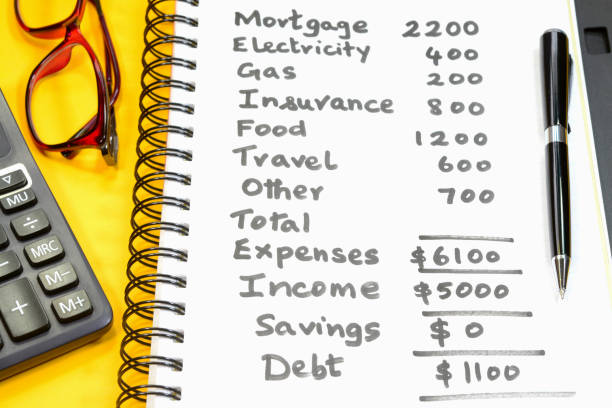
The journey of credit recovery often feels like an uphill battle, especially after experiencing financial setbacks such as late payments, collections, or even bankruptcy. These negative marks can cause significant damage to your credit score, leading many to wonder if recovery is truly possible. The resounding answer is yes, and one of the most powerful tools for this recovery is establishing and maintaining a good payment history after those problems. While the path requires patience and discipline, consistent, on-time payments are the single most influential factor in demonstrating renewed creditworthiness and facilitating score recovery.
To understand why this works, it’s essential to grasp how credit scores are calculated. Payment history is the most heavily weighted component in both FICO and VantageScore models, typically accounting for 35% of your score. Every on-time payment is a positive data point reported to the credit bureaus. When these positive reports begin to stack month after month, they create a compelling new narrative on your credit report. This new pattern of reliability starts to outweigh the older, negative information. Credit scoring models are designed to be forward-looking; they assess risk based on your most recent behavior. By showing a sustained period of flawless payments, you are actively signaling to lenders and scoring algorithms that your previous problems were an anomaly, not a pattern.
The process, however, is not an instant fix but a gradual rebuild. The negative marks from past problems will remain on your credit report for a set period—typically seven years for most delinquencies. Their impact diminishes over time, especially as they age and are counterbalanced by a growing record of positive behavior. A good payment history does not erase the past, but it effectively dilutes its influence. Imagine your credit report as a story. A chapter of financial difficulty is followed by a much longer, ongoing chapter of responsibility. Future lenders reviewing your report will see that while you faced challenges, you took concrete, sustained steps to correct your course. This demonstrated resilience can be almost as persuasive as a spotless record, as it shows financial maturity and the ability to manage adversity.
Maximizing this recovery strategy involves more than just paying existing accounts on time. If your credit problems led to closed accounts, consider responsibly opening a new line of credit, such as a secured credit card or a credit-builder loan. These products are designed for rebuilding. Using them for small, manageable purchases and paying the balance in full and on time every month creates the positive payment history you need. This activity adds another stream of positive data to your report, accelerating the recovery process. Crucially, this must be paired with keeping your credit utilization low and avoiding new hard inquiries, as these are other significant scoring factors.
In conclusion, a good payment history after financial problems is not just helpful—it is the fundamental engine for credit score recovery. It directly targets the most important component of your score, providing tangible evidence of changed behavior. While the shadow of past mistakes will fade slowly, the consistent light of on-time payments will increasingly define your credit profile. This journey underscores a key principle of credit scoring: it is a measure of ongoing risk, not a permanent judgment of past failures. By committing to a disciplined, long-term strategy of impeccable payments, you can absolutely rebuild your score, regain access to better financial products, and achieve greater financial health. The past may be fixed on your report, but your present actions hold the power to redefine your financial future.