Most people understand that missing a credit card payment means a late fee. That fee, often around thirty or forty dollars, is annoying. But it is only the most visible cost of a single late payment. The real damage happens in places you cannot see until it is too late. If you have ever paid a bill a week after the due date, you know the temporary guilt and the small fee. What you might not know is that one late payment can raise your costs for years on everything from your car loan to your home insurance. Understanding these hidden costs is the best way to stay motivated to pay on time every time.
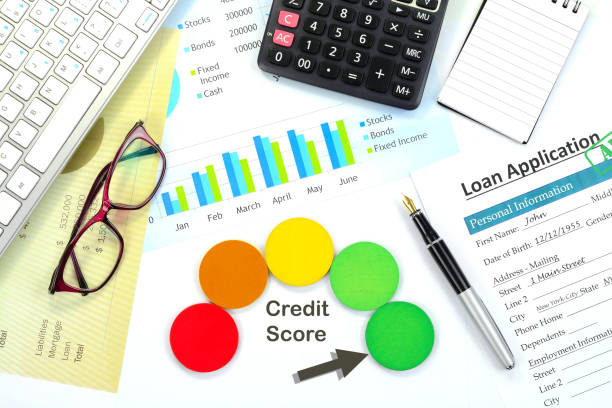
The first and most expensive hidden cost is the hit to your credit score. Payment history makes up the largest chunk of your FICO score, roughly thirty-five percent. A single payment that is thirty days late can drop your score by anywhere from sixty to one hundred ten points, depending on where you started. If you have a high score, the drop is larger because you have a longer way to fall. That one oversight can reclassify you from excellent credit to good credit, or from good credit to fair credit. Once your score drops, lenders see you as riskier. They will charge you higher interest rates on new loans and credit cards. Over the life of a thirty-year mortgage, that difference of two or three percentage points can cost you tens of thousands of dollars in extra interest. One late payment can literally cost you a new car or a kitchen renovation, not because you lost the money, but because you lost the favorable rate.
Another hidden cost comes from your existing credit cards. Many credit card agreements include a penalty APR clause. If you make a late payment, the card issuer can raise your annual percentage rate to the maximum allowed, often around thirty percent. And that penalty rate applies not just to new purchases. It can apply to your entire existing balance too. So if you carry a balance of five thousand dollars, a penalty APR can add hundreds of dollars in extra interest each year until you make twelve consecutive on-time payments to restore the lower rate. Even then, some issuers never lower it back. That means a single mistake could mean you pay high interest for years on money you already borrowed.
There is also the cost to your insurance premiums. Many insurance companies use credit-based insurance scores when setting rates for auto and home insurance. These scores rely heavily on payment history. A late payment on your credit report can cause your insurance score to drop, leading to a premium increase of ten to thirty percent. For a family paying two thousand dollars a year for auto insurance and twelve hundred for homeowners, that could mean an extra six hundred to nine hundred dollars annually. Insurance companies see late payments as a sign of irresponsible behavior, even if the behavior is unrelated to driving or home maintenance. So paying a credit card bill late might make your car insurance more expensive for three years.
Rental applications and security deposits are another area where on-time payment history matters. Landlords routinely check credit reports. A single late payment can make a landlord think you will be late on rent. They may reject your application or demand a larger security deposit. In a competitive rental market, that can prevent you from getting the apartment you want. Similarly, utility companies may require a deposit if your credit report shows a late payment. That deposit might be several hundred dollars, money you would rather keep in your pocket.
There is even a hidden cost to your job prospects. Some employers run credit checks, especially for jobs that involve handling money or sensitive data. While they rarely see the late fee, they do see the red mark of a missed payment. A single late payment may not disqualify you, but in a close decision between two candidates, it can tip the scales against you. Your ability to earn an income depends in part on your credit reputation.
The final hidden cost is simply stress and time. Deal with the aftermath of a late payment means monitoring your credit score, negotiating with lenders, writing goodwill letters to ask for forgiveness, and checking for errors. That is time you could spend on more productive things. Plus, the anxiety of knowing that one mistake is still on your report can affect your financial confidence.
The best way to avoid all these costs is to make on-time payments a non-negotiable habit. Set up automatic payments for at least the minimum amount due. Use calendar reminders a few days before the due date. Keep a small buffer in your checking account to cover surprises. And if you do slip up, call your card issuer immediately. Many will waive the first late fee and even remove the credit report mark if you have a good history. Do not assume the damage is limited to the fee. The real cost of a late payment is far bigger, and it compounds quietly in the background of your financial life.