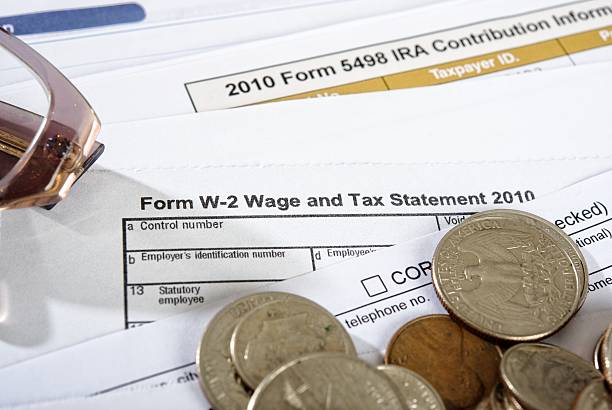
Wage garnishment is one of the most serious financial penalties a person can face. It happens when a court orders your employer to take a portion of your paycheck and send it directly to a creditor you owe money to. For middle-class consumers who are already stretching their budgets to cover mortgage payments, car loans, and everyday expenses, losing even a part of your income can set off a chain reaction that affects every aspect of your life.
The process usually starts when you fall behind on a debt like a credit card, medical bill, or personal loan. The creditor sues you in court. If you do not show up to defend yourself or cannot prove that you do not owe the money, the judge enters a default judgment against you. Once that judgment exists, the creditor can ask the court for a garnishment order. That order is sent to your employer, who must then withhold a certain amount from each paycheck until the debt is paid off. Federal law limits how much can be taken, but in many states the maximum is either 25 percent of your disposable earnings or the amount by which your weekly wages exceed thirty times the federal minimum wage, whichever is lower. That still leaves a big hole in your take-home pay.
Many people assume wage garnishment only happens to individuals who are deeply in debt or have made terrible financial choices. The truth is that a single unexpected event like a medical emergency, a job loss, or a divorce can cause a middle-class person to miss enough payments to trigger a lawsuit. Once garnishment starts, the damage goes far beyond the money being taken.
The first and most obvious consequence is the immediate reduction in your income. If you were barely covering your bills before, losing hundreds of dollars per month can make it impossible to keep up with rent, utilities, and groceries. This often leads to late fees on other accounts, which only deepens the hole. You may have to choose between paying for your child’s school supplies or filling up your car to get to work. It is a stressful and humiliating situation that many people try to hide from coworkers and family.
Another serious cost is the damage to your credit. A wage garnishment is not a separate item on your credit report, but the court judgment that led to it is. And a judgment is a public record that can remain on your credit report for seven years or longer. That single negative entry can cause your credit score to drop by a hundred points or more. With a lower score, you will have trouble getting approved for a new credit card, a car loan, or a mortgage. If you are approved, you will pay much higher interest rates. Even something as simple as renting an apartment can become harder because landlords often check credit reports.
In addition to the financial hit, there is the emotional toll. Knowing that your employer is aware of your financial troubles can make you feel embarrassed and anxious. You may worry about your reputation at work or whether your boss will think less of you. Some people even lose their jobs if their employer decides that the hassle of processing the garnishment is not worth it. While federal law protects you from being fired because of a single garnishment, that protection is weaker if you face multiple garnishments from different creditors.
If you are in a situation where a creditor is threatening to garnish your wages, you still have options. The most important step is to respond to any lawsuit or court notice immediately. Do not ignore it. In many cases, you can negotiate a payment plan with the creditor before a judgment is entered. You can also argue that the debt is not valid or that you already paid it. Once a garnishment is in place, you can ask the court for an exemption based on financial hardship. Some states protect a larger portion of your wages if you support a family or have unusually high medical expenses.
Another option is to file for bankruptcy. Chapter 7 bankruptcy can wipe out many types of unsecured debt, including credit card and medical debt, and it will stop wage garnishment the moment you file. Chapter 13 bankruptcy allows you to set up a court-approved repayment plan that may reduce the amount you owe. Bankruptcy has its own serious consequences for your credit, but for some people it is a better alternative than continuing to lose a chunk of every paycheck for years.
The best strategy, however, is to avoid getting to the point of garnishment in the first place. If you are struggling with debt, reach out to a nonprofit credit counseling agency. They can help you create a budget, negotiate with creditors, and enroll in a debt management plan if appropriate. Many creditors are willing to work with you before they go to court because they want to avoid the time and cost of litigation. The key is to act early and not let a small problem turn into a court judgment.
Wage garnishment is not just a legal matter. It is a life event that can derail your finances, damage your credit, and cause real emotional pain. Understanding how it works and knowing your rights can help you protect yourself or, if you are already in the middle of it, find a way out. The rules vary by state, so it is worth checking the specific protections where you live. A little knowledge and a willingness to ask for help can make a difficult situation more manageable.