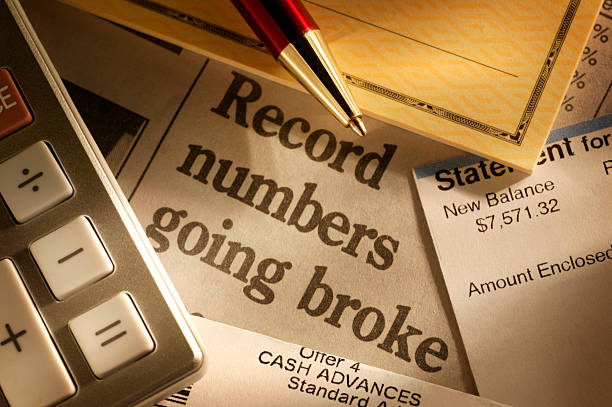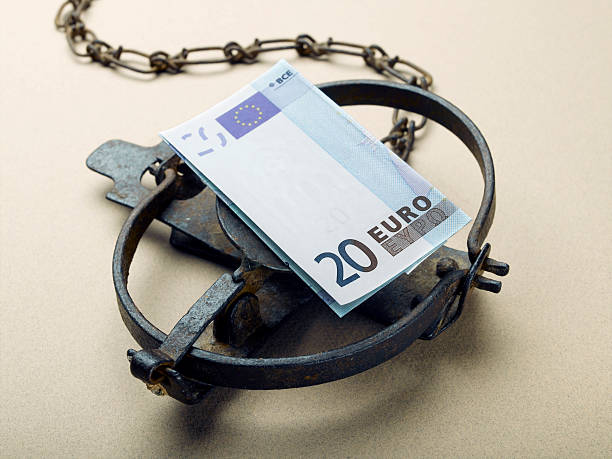
The promise of a payday loan is deceptively simple: a small, short-term cash advance to cover an unexpected expense until the next paycheck arrives. For millions of individuals living paycheck to paycheck, this offer can appear as a lifeline during a financial emergency. However, beneath the surface of this immediate relief lies a predatory lending model expertly designed to ensnare borrowers in a relentless and costly cycle of debt. Payday loans trap borrowers through a combination of exorbitant costs, unrealistically short repayment terms, and a fundamental mismatch between the loan structure and the borrower’s financial reality, creating a debt trap that is difficult to escape.
The mechanism of the trap begins with the loan’s crippling financial terms. Payday lenders charge fees that, when annualized, equate to astronomical interest rates, often exceeding 400% APR. A typical loan might carry a fee of $15 for every $100 borrowed over a two-week period. While this fee may seem manageable in isolation, it represents a significant burden for someone already in a cash-strapped situation. More critically, the loan’s duration is usually aligned with the borrower’s pay cycle, demanding full repayment in a single lump sum—principal plus fee—on the next payday. This structure ignores the reason the borrower sought the loan in the first place: their income is insufficient to cover both existing expenses and the new, immediate financial shortfall. Consequently, when the due date arrives, the borrower finds themselves facing the same budget gap, now inflated by the loan fee, with their entire paycheck potentially consumed by the repayment.
This leads directly to the second phase of the trap: renewal or rollover. Unable to repay the full amount without forgoing essential expenses like rent, utilities, or groceries, the borrower is forced to choose between defaulting or extending the loan. Lenders readily offer to “roll over” the loan for another period, charging a new fee while the original debt remains. The borrower now pays another $15 fee on the $100 loan, effectively paying $30 to borrow $100 for one month, without reducing the principal. This process can repeat indefinitely, with fees quickly accumulating to surpass the original loan amount. In a stark illustration of the trap, a borrower could pay over $500 in fees on a $400 loan over several months without ever touching the underlying debt. The lender profits from perpetual indebtedness, not successful repayment.
Finally, the trap is sealed by the borrower’s eroded financial position and the threat of devastating consequences. Each renewal deepens the financial hole, leaving less disposable income for future needs and making the borrower more likely to need another advance. Many borrowers, in a desperate attempt to break the cycle, take out additional payday loans from different lenders to cover the first, a practice known as “loan stacking” that multiplies their debt burden. Furthermore, lenders secure repayment by requiring access to the borrower’s bank account or a post-dated check. If the account lacks sufficient funds on the due date, the borrower is hit with repeated overdraft fees from their bank in addition to the lender’s penalties, compounding the financial damage. The fear of bank fees, damaged credit, and even aggressive debt collection tactics pressures borrowers to prioritize the payday loan payment over all else, perpetuating the cycle.
In essence, payday loans are engineered not as a bridge to financial stability but as a long-term debt product. They exploit a temporary lack of liquidity by offering a solution that, due to its prohibitive cost and impractical structure, guarantees a permanent lack of liquidity. The trap is not an accidental byproduct but the core business model, profiting from the repeated financial distress of the most vulnerable consumers. Breaking free requires a substantial financial windfall—a rarity for those targeted by these lenders—leaving countless individuals caught in a whirlpool of fees and debt, where the quest for short-term relief results in long-term financial devastation.